
Resources for you
Explore resources to help you prevent and manage kidney disease.
Loading...
317 Results
Clinical trials are key to advancing the treatment of chronic kidney disease, and other kidney diseases. Learn about how clinical trials work and see if you mat...

This section was designed to help you navigate these complicated issues and empower you to make informed decisions about your health care.

Being diagnosed with chronic kidney disease (CKD) can be an overwhelming experience. One in 7 Americans - more than 37 million people - live with kidney disease...
Primary hyperoxaluria (pronounced preye-merr-ee heye-per-oxal-yur-ee-a) is a rare liver disease. Learn about symptoms, causes and treatment options.
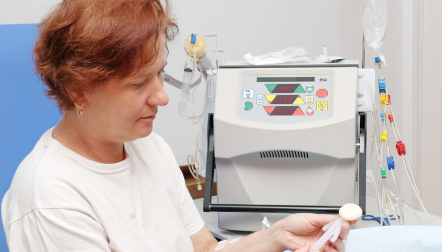
Home dialysis can help put you in charge of your treatments. Learn about the types, advantages and how to get started with home dialysis.


We can't always predict when something will happen to derail our treatment plans. There are some simple steps you can take to make sure you are prepared an...

Renal professionals are usually the first and most trusted source of information and relief available to dialysis patients in the event of a disaster. Proactive...