




IgG4-RD and kidney disease symptoms, testing and treatment
IgG4-RD can be difficult to diagnose because it mimics other diseases, but early testing and treatment can help protect your kidney function and prevent other complications. Learn about this rare disease, how it affects your kidneys, what causes it and how it is treated.
Support for this educational content is provided by
Immunoglobulin G4-related disease (IgG4-RD) is a rare chronic autoimmune disease that causes inflammation (swelling) and fibrosis (excess growth of connective tissue) in different organs and tissues throughout the body. About 1 in 4 people with IgG4-RD will have some kind of kidney damage.
IgG4-RD was first recognized as a unique disease in Japan in the early 2000s. It's also referred to as:
- IgG4-related systemic disease
- Hyper-IgG4 diseases
- IgG4-related autoimmune disease
- IgG4-associated disease
- IgG4-related sclerosing disease
- IgG4 syndrome
There is still more to learn about who is affected by IgG4-RD, but it is believed to affect 5 in 100,000 people, making it a rare disease.
What is IgG4-RD?
IgG4 is an antibody, which is a specific kind of protein that your immune system makes to fight harmful substances. IgG4-RD happens when there is an abnormal increase in IgG4 antibodies. When there is too much IgG4 in the body, it can build up in organs and tissues, causing inflammation and scarring that may lead to long-term damage.
While researchers don't know exactly why this happens, it is believed that genetics, infections, or other autoimmune diseases may be part of the cause.
IgG4-RD can cause damage to many different parts of your body, including the tissue around your eyes. It's also possible that multiple organs can be involved at the same time. Typically, between 1 and 4 organs will be affected by IgG4-RD.
The organs and tissues in the body that are most likely to be affected by IgG4-RD may include:
- Organs
- Pancreas (helps to digest food and control blood sugar)
- Lungs (help you breathe and take in oxygen)
- Kidneys (filter waste and extra fluid from your blood)
- Thyroid gland (a gland in your neck that controls energy and metabolism)
- Prostate gland (the gland below the bladder that makes fluid for semen)
- Tissues
- Orbital tissues (tissue surrounding the eyes)
- Retroperitoneal tissues (connective tissue in the back of the abdominal area)
- Meninges (protective tissue layers around the brain and spinal cord)
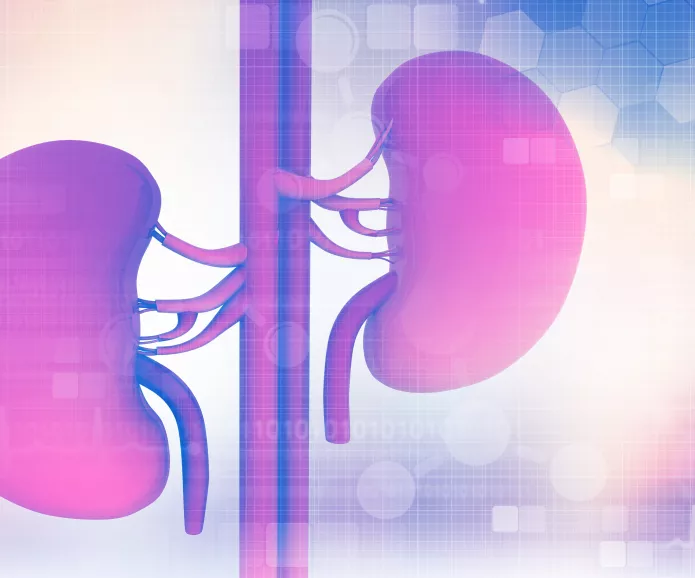
How does IgG4-RD affect the kidneys?
Experts believe that 10% to 27% of people with IgG4-RD have IgG4-related kidney disease, which is more likely to happen when other organs, like the pancreas or liver, are also affected. As more is learned about IgG4 and how it affects the kidneys, this estimate may change.
There are two kinds of IgG4-RD that affect the kidneys:
- IgG4-related tubulointerstitial nephritis (TIN) is the most common kind of kidney involvement and occurs when there is inflammation in the tubules (tiny tubes that drain fluid from the filters) of the kidneys and the tissues that surround them, which causes chronic kidney disease (CKD) and can lead to kidney failure, also called end-stage renal disease (ESRD) or end-stage kidney disease (ESKD).
- Membranous nephropathy (MN) is a rare condition where the immune system attacks and damages the filters of the kidneys (glomeruli). This damage comes from immune complexes, which are clumps of proteins that help get rid of germs in your body. When these form in the kidneys, they can cause the filters to become inflamed or blocked, which can cause CKD and lead to kidney failure.
If your kidneys are affected by IgG4-RD, you may not notice any signs or symptoms until the disease has progressed, and your kidneys can no longer filter waste and fluid from your blood the way they should. At that point, symptoms like fatigue or changes in urination (peeing) may appear.
What are the signs and symptoms of IgG4-RD?
Some people with IgG4-RD may not have any symptoms. For others, symptoms depend on the organs and tissues that are directly affected.
Some common symptoms of IgG4-RD include:
- Feeling tired
- Weight loss
- Headaches
- Bulging of the eyes
- Shortness of breath
- Inability to urinate (pee) or urinating small amounts
- Abdominal pain and jaundice (yellow tint in the skin or eyes)
Some signs of IgG4-RD can be hidden, meaning you might not see or feel them yourself. Doctors, however, can often spot these signs through different types of testing, like imaging scans or blood tests. They may also notice:
- Lumps that grow steadily over time
- Organs that become bigger than normal
- Autoimmune pancreatitis: inflammation of the pancreas due to being attacked by the immune system
- Sclerosing cholangitis: scarring in the tubes that carry bile from your liver to your small intestine
- Sialadenitis: infection or inflammation in your salivary glands
- Dacryoadenitis: inflammation, swelling and pain in your tear glands
- Tubulointerstitial nephritis: inflammation of the tiny tubes in your kidneys
- Retroperitoneal fibrosis: tissue growth in the space behind your abdominal organs, which puts pressure on them
What doctors are part of the IgG4-RD treatment team?
Because IgG4-RD can affect many different parts of the body, the treatment team can include different health care professionals whose specialties vary.
An important piece of this team is a rheumatologist, a doctor who treats the immune system, joints and muscles. Because IgG4-RD is an autoimmune disease, seeing a doctor who understands the immune system is a key part of getting the best care possible.
If your IgG4-RD affects your kidneys, you will also see a nephrologist, or kidney doctor. It's possible you may see a nephrologist first if kidney damage is the first sign of IgG4-RD. If you cannot find the cause of your CKD, talk to your nephrologist about seeing a rheumatologist. They may think of different tests to try and different conditions to look for.
Other doctors you may see include:
- Pulmonologists treat issues that affect your lungs and other parts of your respiratory system
- Gastroenterologists treat issues that affect your digestive tract and live
- Endocrinologists treat conditions related to your hormones, including issues with your thyroid
- Urologists treat issues related to your urinary tract and the reproductive system in men
- Neurologists treat issues that affect your brain and nervous system
- Ophthalmologists treat issues with your eyes and vision
How can doctors tell if I have IgG4-RD?
IgG4-RD is sometimes called a "disease mimicker," or a condition that resembles other conditions, making it difficult to diagnose.
Your doctors may decide to test for IgG4-RD if you have any of the following conditions with no known cause:
- Pancreatitis (inflammation of the pancreas) with no known cause
- Sclerosing cholangitis (inflammation of the bile ducts)
- Enlargement of salivary/lacrimal glands
- Retroperitoneal fibrosis (growth of scar-like tissue in the back of your abdomen)
- Orbital pseudotumor (swelling of the tissue behind your eye, causing a mass)
- Bulging eyes, also known as proptosis
- Lumps or abnormal growths in your:
- pancreas
- biliary tree (network of ducts that carry bile from your liver to your small intestine)
- lungs
- kidneys
- major salivary glands
- tear glands
Doctors use multiple tests to diagnose and confirm IgG4-RD, including:
- Imaging tests, like
- X-rays to check for changes in your bones or chest
- CT scans give a detailed view of your organs and tissues
- MRIs look at soft tissues like the brain, spine or glands
- Biopsies of organs or tissues to look for damage
- A kidney biopsy is a specific kind of biopsy that can tell doctors if your kidneys have been affected
- Blood tests, such as IgG4 blood levels, to see if you have high levels of IgG4 antibodies or white blood cells, as well as other autoantibody tests to rule out IgG4-RD mimickers and tests to identify affected organs

If your kidneys are affected, your doctors may test your kidney function using:

A blood test that shows how well your kidneys are working by measuring the waste and toxins in your blood

A urine test that measures a ratio of the amount of albumin (a protein) in your urine to the level of creatinine (a waste product), which helps doctors determine how well your kidneys are working
How do doctors treat IgG4-RD?
There is no cure for IgG4-RD, but there are treatment options, including certain medicines or sometimes surgery, to manage your symptoms and protect your body from further damage.
Medicines
Medicines are often the first treatment approach for IgG4-RD, aiming to reduce the inflammation and swelling caused by the condition. Your doctor will work with you to find the right treatment plan to manage your symptoms and prevent further organ damage.
- Glucocorticoids: many IgG4-RD patients are prescribed glucocorticoids, also known as steroids, which lower inflammation in your body. These help improve symptoms and shrink any enlarged organs.
- Immunosuppressant: if you have many different organs affected by IgG4-RD or if glucocorticoids have not worked for you, your doctor may prescribe an immunosuppressant. These are medicines that lower your immune system's activity to help stop it from attacking your body's organs and tissues.
As of April 2025, the Food and Drug Administration (FDA) has approved one medicine to treat IgG4-RD, inebilizumab-cdon (Uplizna®). This medicine is given as an injection and targets immune cells that are linked to IgG4-RD and related flares. Talk to your doctor to see if it is a treatment option for you.
Surgery
In some cases, IgG4-RD can cause too much tissue to grow in certain parts of the body. When this extra tissue presses on organs or blocks important pathways, surgery may be needed to relieve pressure, improve organ function or prevent further damage.
- Stenting is a procedure where a small, flexible tube called a stent is placed inside a narrow or blocked passage in your body to help keep it open. If tissue is growing in the area behind your abdominal organs (including your kidneys, stomach, pancreas, and intestine), it can block the flow of urine and bile in your ureters and biliary tree.
- Debulking is a type of surgery where doctors remove as much of an abnormal growth or extra tissue as possible, so it puts less pressure on nearby organs or causes fewer symptoms.
Monitoring
The goal of IgG4-RD treatment is remission from any symptoms. When in remission, you should be checked by your doctor every three to six months for any new signs of disease. It's important to keep track of any symptoms you may have, especially new ones, and communicate with your doctors during regular visits.
Talk to your health care team about what new signs and symptoms might look or feel like and how you should report any if they happen.
Where can I learn more about IgG4-RD?
Visit IgG4ward! To learn more about this rare condition and to connect with other patients, caregivers, and healthcare providers. Learn more.
Prescription assistance programs
If you have a hard time paying for your prescription medicines or treatments, help may be available. Learn more on how you can find financial assistance through prescription assistance programs (PAPs) and resources that may help lower your medicine costs.
Support for this educational content is provided by:
