


Sarcoidosis and kidney health
Sarcoidosis is an inflammatory disease that can affect many parts of the body, including the kidneys. Learn how it can raise the risk of kidney stones, high calcium levels, and other complications, and what steps you and your care team can take to protect your kidneys.
- Medically reviewed by
- Shahzia Lakhani
- Last updated
- September 23, 2025
What is sarcoidosis?
Sarcoidosis is an inflammatory disease that causes small clumps of immune cells called granulomas to form in the body. When your immune system, your body's defense system, goes into overdrive and too many of these clumps form, they can affect how your organs work. It most often affects the lungs and lymph nodes, but it can also affect the skin, eyes, heart and sometimes the kidneys.
The exact cause is unknown. Experts believe it may be linked to an overactive immune system in people who are more likely to develop it.
Who it affects
- Adults of any age
- More common in Black Americans and in women
- Most diagnoses occur between ages 20 and 50. The average age of diagnosis is 50
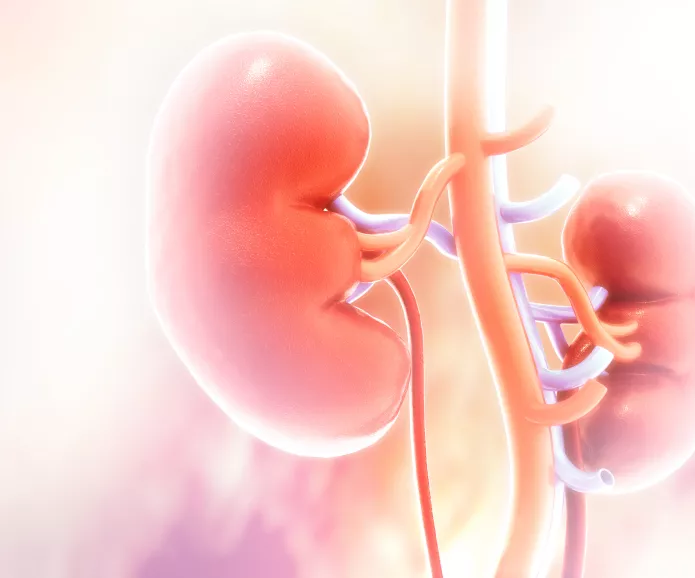
How does sarcoidosis affect the kidneys?
The kidneys keep your body in balance by removing waste and extra fluid and by helping control minerals like calcium. Sarcoidosis can disrupt this balance in several ways. While some problems are more common than others, they all need attention. Early treatment can help prevent lasting damage. If you have sarcoidosis, it is important to ask your doctor how often your kidney health should be checked. If not treated, sarcoidosis can lead to chronic kidney disease or even kidney failure.

Most common ways sarcoidosis may affect the kidneys

Calcium imbalance: Sarcoidosis can raise vitamin D (calcitriol) activity, leading to high calcium in the blood and urine (hypercalcemia and hypercalciuria). This is the most common way sarcoidosis harms the kidneys.

Granulomas in the kidneys: In some people, granulomas (a collection of immune cells) form inside kidney tissue and cause inflammation and damage.

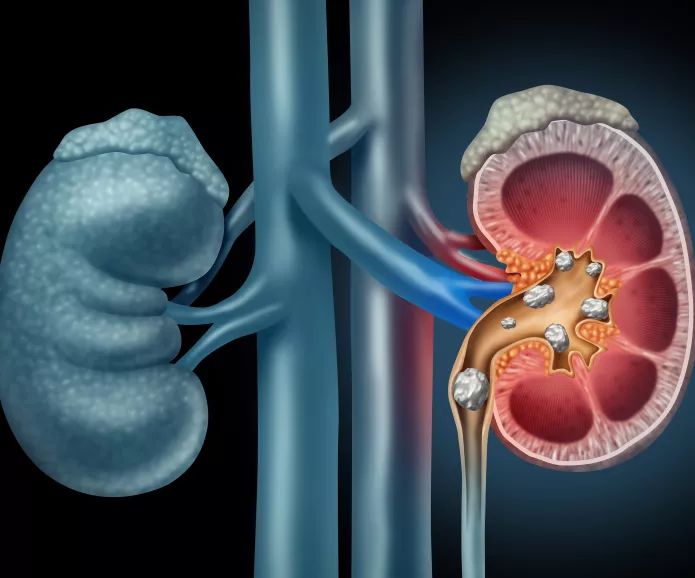
Kidney stones: Extra calcium in the urine can form kidney stones, which may injure the kidneys over time.
What are the symptoms of kidney disease in sarcoidosis?
Kidney problems from sarcoidosis can be silent at first. Some people only find out they have it through blood or urine tests. Others may notice symptoms that point to kidney stones or general sarcoidosis activity in the body. If you notice any of the symptoms below, tell your health care team. Early testing can help protect your kidneys.
Symptoms of kidney stones
- Sharp pain in the side or back
- Blood in the urine (pee)
- Nausea
- Vomiting (throwing up)
General sarcoidosis symptoms
- Fatigue
- Dry cough or shortness of breath
- Skin rashes or bumps
- Joint pain
- Chest pain
How is kidney disease in sarcoidosis diagnosed?
Your doctor will order tests that show how well your kidneys are working and whether your calcium levels are too high. If you have symptoms of kidney stones, imaging tests can confirm them. Some people also need tests to confirm sarcoidosis in other organs. Your care team will explain which tests are right for you and how often you should repeat them.
These tests may include:
Blood tests
- Blood tests to show creatinine level to calculate eGFR (estimated glomerular filtration rate)
- Calcium level
- Vitamin D tests, to assess vitamin D levels in the body.
Urine tests
- Twenty-four-hour urine collection to check for calcium and protein
Imaging for kidney stones
- Ultrasound or CT scan to look for kidney stones
How can I protect my kidneys with sarcoidosis?
Sarcoidosis can place extra stress on the kidneys. Learning how to protect your kidneys gives you more control over your health. The goal is to lower inflammation, keep your calcium levels in balance and prevent kidney stones and damage.
Everyday steps you can take:
- Avoid/limit vitamin D and calcium supplements unless your doctor prescribes them
- Drink enough water as advised by your doctor to help flush extra calcium
- Protect your skin from the sun if you are prone to high calcium levels
Medicines:
It's important to work closely with your healthcare team to manage your sarcoidosis and protect your kidneys. Sometimes, the best way to do that is through specific medicines.
Here are some of the medicines that your doctor might discuss with you, as they play a key role in managing inflammation and balancing your calcium levels:
- Corticosteroids (a class of medicines that include prednisone) and other immunosuppressants to lower inflammation and high calcium levels
- Steroid-sparing medicines such as hydroxychloroquine or mycophenolate when needed
- Diuretics (water pills) in some cases
- Some medicines may need dose changes if kidney function is reduced
Kidney stone management
Dealing with kidney stones can be a painful and stressful part of living with sarcoidosis. The good news is that there are clear ways to manage them, with the goal of relieving pain, breaking up the stones, and preventing them from coming back.
Here are some of the ways your doctor might approach managing kidney stones:
- Pain control and hydration
- Medicines when needed
- Procedures like lithotripsy or surgery for larger stones
If kidney damage becomes severe, dialysis or a kidney transplant may be needed.
Living with sarcoidosis and kidney disease
You are the most important part of your care team. By staying involved, asking questions and sharing updates, you can help protect your kidneys and overall health. Good habits and regular checkups can lower your risk of serious health problems.
Long-term monitoring:
Regular follow ups help your team catch problems early and adjust treatment. Even when you feel well, scheduled checkups are important. Ask your doctor which results you should track at home and which symptoms should prompt a call.
Ongoing care
- Routine bloodwork to monitor calcium levels and kidney function
- Review of supplements, vitamins, and over-the-counter medicines
Regular visits with your sarcoidosis specialist to reduce the chance of flare ups (when symptoms suddenly get worse after a period of being stable).

Collaborate with your care team
Sarcoidosis management works best when you have a health care team. Each specialist looks at a different part of your health and shares information to keep your kidneys safe. You are at the center of the team. By collaborating with your doctors, asking questions, and sharing updates, you help shape a care plan that fits your life.
Your specialist team may include:
- A nephrologist (kidney doctor)
- A pulmonologist (lung doctor)
- A rheumatologist (immune and joint specialist)
Lifestyle changes
Daily habits can support your treatment and protect your kidneys. Small steps can make a real difference over time.
Here are some daily habits that can support your treatment and protect your kidneys:
- Drink water as your doctor advises
- Follow a kidney-friendly eating plan that fits your calcium needs
- Avoid high-dose vitamin D or calcium unless prescribed by your doctor
- Be active in ways that are safe for you
- Plan for good sleep and manage your stress
Sarcoidosis can affect your kidneys in different ways, but regular testing, the right treatment and healthy daily habits can help protect them. If you have sarcoidosis, talk with your doctor about checking your kidney function and calcium levels regularly.
From the Foundation for Sarcoidosis Research
The Foundation for Sarcoidosis Research (FSR) is the leading nonprofit organization dedicated to improving the lives of people living with sarcoidosis. FSR funds research to better understand the disease, support clinical trials to find new treatments and offers education and resources for patients and families. The foundation also connects patients with expert providers, builds community through support groups and advocacy and raises awareness so that sarcoidosis is better recognized and treated.