


Goodpasture syndrome symptoms, causes and treatment
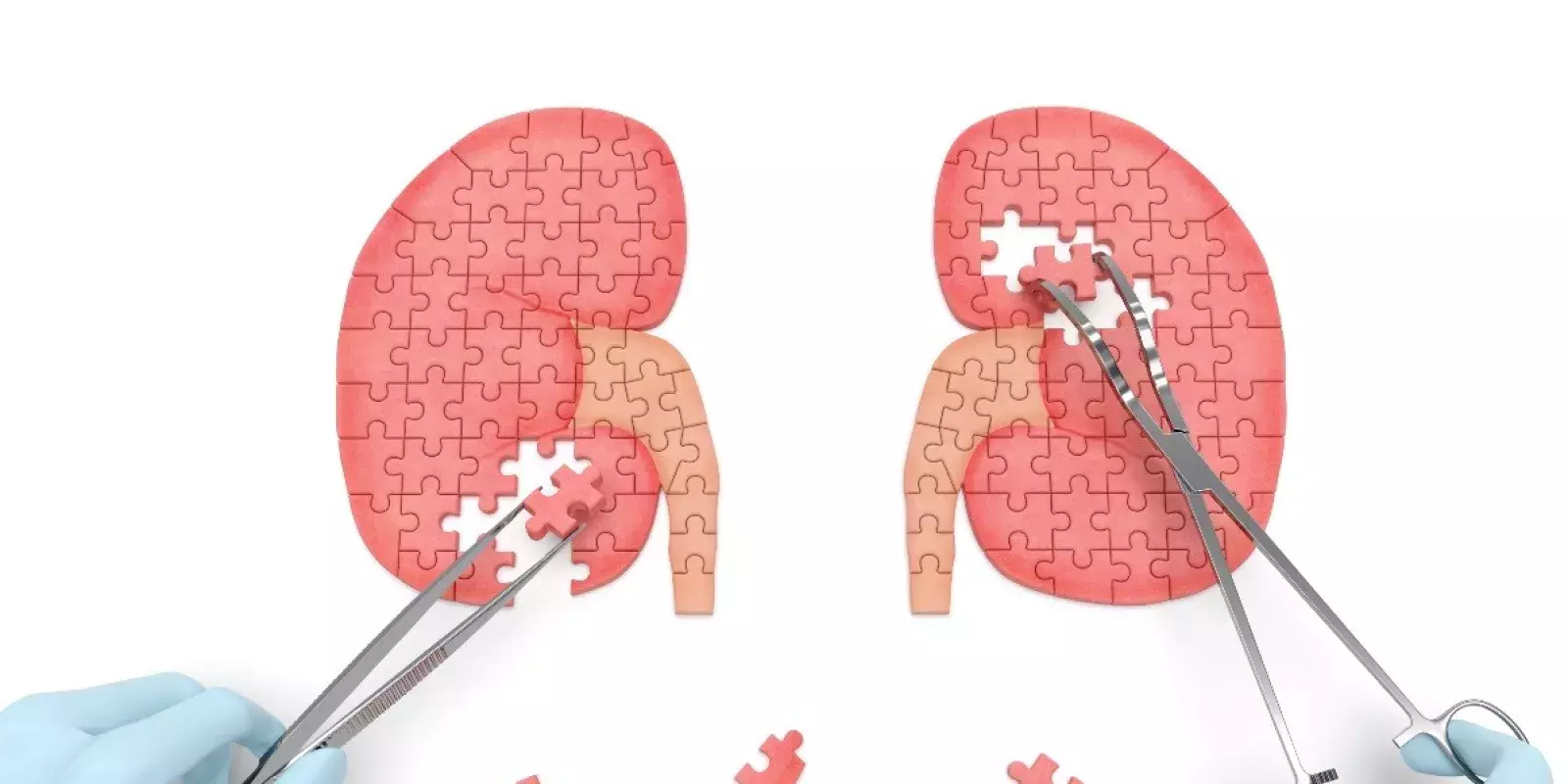
Goodpasture syndrome affects your kidneys and lungs and can be life-threatening. Learn the early warning signs, causes and treatments that can save your life.
- Medically reviewed by
- Shahzia Lakhani
- Last updated
- July 30, 2025
What is Goodpasture syndrome?
Goodpasture syndrome (also called anti-glomerular basement membrane or anti-GBM) is an autoimmune disorder that affects both the kidneys and the lungs. It is very rare, affecting about 1 in 1 million people per year. It occurs most often in men, in those who are 20- to 30-year-olds or people who are over 60.
This condition happens when your immune system mistakenly attacks collagen, a type of protein used to build various tissues, found in the tiny filters of your kidneys (also known as glomeruli). Goodpasture syndrome can lead to glomerulonephritis (inflammation in the kidneys) and can cause bleeding in the lungs. Without treatment, the damage can cause chronic kidney disease (CKD), kidney failure, also called end-stage renal disease (ESRD) or end-stage kidney disease (ESKD) and breathing problems, such as shortness of breath or coughing up blood.
If Goodpasture syndrome is not diagnosed and treated quickly, it can be life-threatening. The sooner you get medical care, the better your chances of avoiding serious health problems.
With early treatment, most people, about 87 out of 100, make it through the first year.
What causes Goodpasture syndrome?
Doctors and researchers don't know the exact cause of Goodpasture syndrome, but you may be at a higher risk if you:
- Breathe in toxic fumes or chemicals (like paint thinner, gasoline or smoke)
- Smoke cigarettes
- Have a viral infection, like the flu or hepatitis
- Take certain medicines, such as immunosuppressants, which make your immune system less active, putting you at greater risk for infection
- Are related to someone who has Goodpasture syndrome
What are the signs and symptoms?
Early signs and symptoms of Goodpasture syndrome may include:
- Feeling very weak or tired
- Nausea (feeling sick to your stomach)
- Vomiting (throwing up)
As the disease worsens, it can damage your lungs.
When your lungs are affected, you may notice:
- Coughing
- Shortness of breath
- Coughing up blood (hemoptysis)
- Pale skin
- Nosebleeds (epistaxis)
When your kidneys are affected, you may have:
- Blood in the urine (hematuria)
- Protein in the urine (proteinuria)
- Edema (swelling)
- High blood pressure
If you notice any of these symptoms, talk to your doctor right away.
How is Goodpasture syndrome diagnosed?
Your doctor may use multiple tests to diagnose and confirm Goodpasture syndrome including, blood and urine tests, a kidney biopsy and lung testing.
Blood and urine tests
Your doctor may order a special blood test that looks for harmful antibodies (proteins your body makes to fight off things that can make you sick, like bacteria and viruses) called anti-glomerular basement membrane (anti-GBM) antibodies. These antibodies attack the filters in your kidneys and the tissues in your lungs. A positive test can help confirm the diagnosis.
Your doctor may do other tests to check for signs of kidney damage:
- eGFR (estimated glomerular filtration rate): A blood test that shows how well your kidneys are filtering waste from your blood.
- uACR (urine albumin-to-creatinine ratio): A urine test that measures a ratio of the amount of albumin (a protein) in your urine to the level of creatinine (a waste product), which helps doctors determine how well your kidneys are working.
Kidney biopsy
Your doctor may also recommend a kidney biopsy. This test removes a small piece of kidney tissue so it can be looked at under a microscope. A biopsy helps confirm the diagnosis and shows kidney damage.
Lung testing
Since Goodpasture syndrome also affects the lungs, your doctor may check for signs of lung damage with one or more of the following:
- Chest X-ray: A picture of your chest to see if there's any damage to your lungs
- CT scan: A more detailed X-ray that gives a clearer view of your lungs and shows things a regular X-ray might miss
- Lung biopsy: A small sample of lung tissue is taken and looked at under a microscope
How do doctors treat Goodpasture Syndrome?
Goodpasture syndrome needs fast treatment to stop your immune system from harming your kidneys and lungs.
Medicines
Your doctor may start you on immunosuppressant medicines, which help calm your immune system so it stops attacking your kidneys and lungs.
There are different types of immunosuppressants, including:
- Corticosteroids: to reduce inflammation
- Cyclophosphamide (e.g., Cytoxan®, Neosar®, Cytoxan Lyophilized®): lowers the activity of your immune system
- Rituximab (e.g., Rituxan®, Ruxience®, Truxima®): another treatment that may be used instead of cyclophosphamide, especially if you experience negative side effects
These medicines may be taken orally as pills or given intravenously through an IV in the hospital. Be sure to take your medicine exactly as your doctor tells you. It's important to talk to your doctor if you have any negative side effects.
Plasmapheresis
Many people also get a treatment called plasmapheresis (plaz-muh-fuh-REE-sis) to remove harmful antibodies from their blood. During the procedure, your blood is passed through a machine that filters out the antibodies and then returns your blood to your body.
Long-term management
Goodpasture syndrome can go away with treatment. But even after remission, there's still a small chance it could return. That's why it's important to keep going to follow-up appointments, take your medicine as directed and let your doctor know if any symptoms come back.
Once your condition is under control, your care team will continue to monitor you for any signs of kidney damage or other health problems.