


Learn What's Behind Your CKD
Take this short quiz to uncover possible causes of your kidney disease and get a list of questions to bring to your doctor. Knowing the "why" can help you feel more in control of what comes next.
If your doctor has told you that you have chronic kidney disease (CKD), it can come as a shock. Every year, more than 100,000 people in the U.S. find out they have CKD, and many do not find out they have it until their kidneys have already been damaged. Find out what you can do to live with CKD and keep your kidneys working as well as possible.

A CKD diagnosis can feel overwhelming — but we're here to help. Join our online kidney community for guidance, support and ways to get involved from a kidney nonprofit who understands what you're going through.
CKD is when your kidneys are damaged and lose their ability to filter wastes and fluids out of your blood. These wastes can build up in your body and harm your health. CKD breaks down into stages based on the amount of damage to your kidneys and how well they still work. When your kidneys stop working completely, this is called kidney failure (Stage 5 CKD). If this happens, you may need dialysis or a kidney transplant.
In the early stages of kidney disease you may not have any signs or symptoms. In time, your kidneys work less well to filter waste and fluids out of your blood. In later stages of kidney disease, you may notice symptoms, including:
If your doctor has told you that you have CKD, there is a lot you can do to learn about your condition, take charge of your medical care and slow the damage to your kidneys.
When you have CKD, it is important to know what stage you are in and what caused your kidney disease. Your doctor will do tests and exams to find out how well your kidneys still work to filter wastes and fluid from your blood. These include:
The results of these tests will show:
Our Step Forward: Living Well with Stage 3 Kidney Disease course walks you through kidney disease basics, lifestyle changes and treatment options.
Learn what stage of CKD you are in. Your doctor will repeat these tests to look for changes in time. Work with your doctor to learn your numbers for your blood and urine tests, blood pressure and eGFR and what they mean. For example, if you keep track of your eGFR number and you see that it has gone down, bring this up with your doctor.
This knowledge will help you take charge of your health care and make choices about your treatment that you can feel good about.
Watching what you eat and drink is one of the best ways to slow down the damage to your kidneys and feel your best. If you are not sure where to start for kidney-friendly eating, do not worry. Ask your doctor for help to find a dietitian–a food expert who can help you plan meals and snacks that you will want to eat.
Get at least 30 minutes of exercise, five days a week. This can be walking with a friend, swimming, riding a bike or even dancing. If it is something you enjoy, you will be more likely to keep it up!
As much as your health allows, keep your daily routine similar to before you found out you have CKD. If you have a job, try to continue working. Keep doing any hobbies or activities you enjoy, such as sports or attending clubs or groups you are in.
If you smoke or use tobacco, stop now. Call 1-800-QUIT-NOW for free help to quit.
You and your doctor will work together to make a plan to manage and treat your kidney disease. The goal is to help you feel as good as possible and slow the damage to your kidneys. Here are some tips to help you feel confident in your treatment plan
Learning that you have CKD can come as a shock. Your doctor may tell you that you suddenly need to make big changes in the way you live. Many people struggle with these changes. This is normal. You can learn more about the link between mental health and kidney disease as well.
Reaching out and getting support can help you deal with all these changes and feelings that may come along with them.
Remember–you are not alone in living with kidney disease. Get support from people around you:
Support groups for people with kidney disease can be a welcoming place to talk about your experiences and feelings. Like our Facebook page to connect with people just like you–they can offer advice and support about everyday life with kidney disease.
Take this short quiz to uncover possible causes of your kidney disease and get a list of questions to bring to your doctor. Knowing the "why" can help you feel more in control of what comes next.
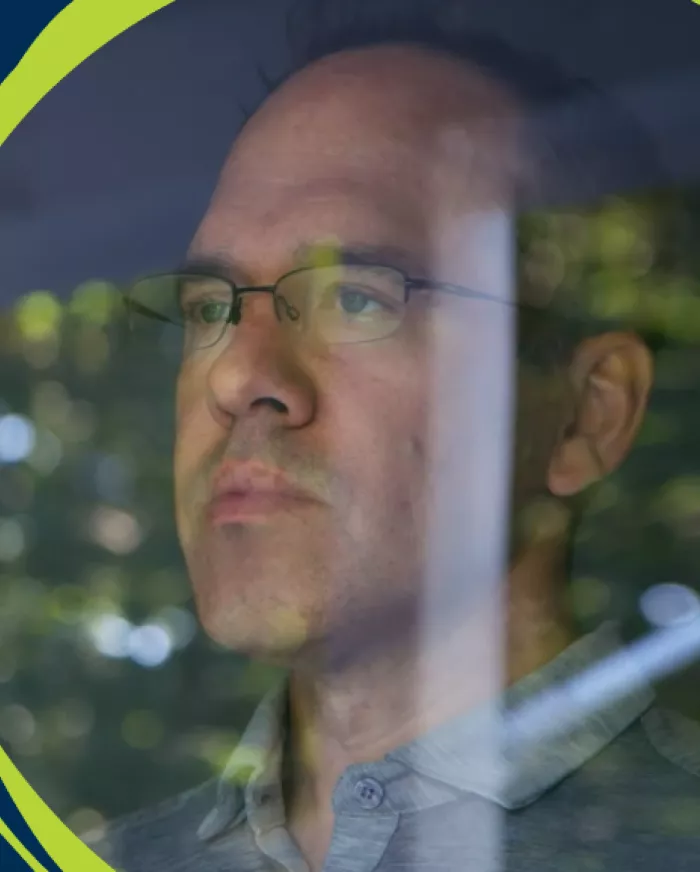

Black and Hispanic people are more likely than white people to develop kidney disease and face delays in diagnosis and treatment. Learn more about Kidney Health for All and how access to health education can help all people prevent and manage kidney disease.
Every day, someone learns they have kidney disease — and turns to the American Kidney Fund for answers and hope. Your gift keeps these resources free and provides direct support for patients navigating life with CKD. With 96 cents of every dollar going to patients and programs, you can make an immediate difference.