


Primary membranous nephropathy (PMN) causes, symptoms, diagnosis and treatment
Learn about primary membranous nephropathy, a rare autoimmune disease that often causes nephrotic syndrome. Explore the causes, diagnosis and treatment for PMN.
- Medically reviewed by
- Shahzia Lakhani
- Last updated
- October 10, 2025
Primary membranous nephropathy (PMN) is a rare, autoimmune kidney disease. It damages the tiny filters in your kidneys and can cause nephrotic syndrome. It is most common in white men over 40, with most cases occurring between ages 50 and 60. Treatment for PMN focuses on remission and can involve lifestyle changes and medicines.
What is primary membranous nephropathy?
Primary membranous nephropathy (PMN) is a type of membranous nephropathy (MN) that causes your immune system, your body's defense system, to attack the tiny filters (glomeruli) inside your kidneys that filter waste product from your blood. MN can also damage these filters, causing your kidneys to lose function. 3 in 4 people with membranous nephropathy have PMN.
There is another kind of MN, secondary membranous nephropathy, which happens when another condition affects your kidneys, this could be an infection, an autoimmune issue (like lupus), or even certain medicines. 1 in 4 MN patients have this type.
What causes primary membranous nephropathy?
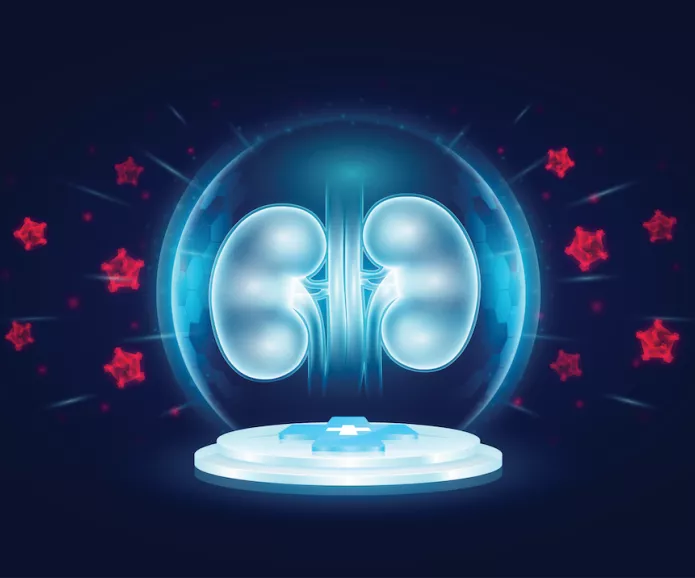
PMN is an autoimmune disease, which means that your immune system is attacking something inside your body. Normally, your immune system protects you by fighting off things like viruses and bacteria. It does this with the help of antibodies, which tell your body what to attack. In autoimmune diseases, the body makes autoantibodies that target its own healthy cells by mistake. In PMN, these autoantibodies attach to the kidney’s filters (called glomeruli) and get stuck. Over time, this buildup makes the filters less effective and can lead to kidney damage.
What are the signs and symptoms of primary membranous nephropathy?
You might not notice any symptoms when you first develop primary membranous nephropathy (PMN). Since it causes nephrotic syndrome, many people notice edema (swelling) first.
Other symptoms may include:
- Fatigue (feeling tired)
- Foamy urine (pee)
- Peeing more than usual
- High blood pressure
- High cholesterol
- Weight gain
- Trouble breathing

Who gets primary membranous nephropathy?
Primary membranous nephropathy (PMN) is rare, affecting about 1 in 5,000 people. It happens most often in white men over the age of 40, with most cases occurring between ages 50 and 60. When membranous nephropathy shows up in women or children, it's usually linked to another health condition, such as lupus. In those cases, doctors call it secondary membranous nephropathy and look for the underlying cause.
How is primary membranous nephropathy diagnosed?
If your doctor thinks you might have nephrotic syndrome, you may be referred to a nephrologist (kidney doctor) who will run tests to confirm nephrotic syndrome and try to find the cause of any kidney damage.
Doctors will test your kidney function with the following tests:
- Urine tests, such as the urine albumin-to-creatinine ratio (uACR)
- Blood tests, such as the basic or comprehensive metabolic panel to obtain a creatinine level to calculate eGFR (estimated glomerular filtration rate)
If these tests show signs of kidney damage and your doctors suspect PMN, they may do the following tests:
- Kidney biopsy to look for antibodies
- Serum antibody test, to look for PLA2R and/or THSD7A
If you have nephrotic syndrome and a positive PLA2R or THSD7A test, a kidney biopsy is not required to diagnose PMN. However, a negative antibody test does not rule out PMN because tests do not always detect antibodies correctly. In these cases, a kidney biopsy can confirm a diagnosis.
How is primary membranous nephropathy treated?
There is no cure for PMN, but treatment can help you go into remission. Remission means the disease becomes less active or your symptoms improve. Sometimes this happens on its own, and sometimes you may need medicines to help control symptoms. Doctors are also studying new treatments in clinical trials to see how well they work for PMN and protecting kidney health.
Your doctor may recommend some lifestyle changes, such as:
- Eating less salt
- Eating less protein
- Keeping a healthy body weight
- Quitting smoking or using tobacco products
Learn more about kidney-friendly eating
They may also prescribe these medicines:
- ACE Inhibitors or ARBs: medicines that help relax blood vessels, lower blood pressure and protect the kidneys from damage, especially in people with diabetes.
- Diuretics (water pills): medicines that help your body get rid of extra fluid and salt through urine (pee). They can lower blood pressure and reduce swelling.
If these treatments are not helping as much as your doctor would like, they may decide to prescribe an immunosuppressant, a medicine used to lower the immune response in your body. These medicines can help keep the autoantibodies from attacking your kidneys. Typically, doctors will monitor your labs for 6 months before deciding if you need immunosuppressants.
Sometimes, doctors might decide to start immunosuppressants earlier. This can happen if you have extreme symptoms that are not going away and if your kidney function continues to get worse.
PMN can cause kidney failure, also called end-stage renal disease (ESRD) or end-stage kidney disease (ESKD). If this happens, treatment options include transplant and dialysis.
PMN can reoccur in a transplanted kidney, so be sure to talk to your doctor about ways that you can prevent this.
Long term outcomes
Long term outcomes with PMN are different for everyone. Relapses are common, even if you go into remission suddenly. However, current treatment strategies have helped lower the risk of progression to kidney failure.
Studies have shown that over time, one-third of patients were in remission, one-third had continued proteinuria, and the last one-third progressed to kidney failure. These studies looked at outcomes over decades. They also found that PMN patients with nephrotic syndrome were more likely to experience more kidney damage over time
Read our latest blogs

Erin Leininger shares her family's experience helping her son Charlie live with cystinosis, a rare genetic disease that can cause kidney failure
To help you Be APOL1 Aware and learn if you may be at risk, here are 10 facts about AMKD.

AKF's recently launched Ambassador Community Engagement (ACE) Awards program was set up to provide funding for educational events for kidney disease, including rare kidney diseases, in-person or online.