


Blog post
FAQs about kidney disease screening
Why you should take the pledge to protect your kidney health

Did you know that as many as 9 in 10 people living with kidney disease do not know that they have it? This is especially true for the early stages of the disease — a time when changes in kidney function are silent but intervention could prevent the disease from progressing to kidney failure. At that stage, the only treatment options are dialysis or a kidney transplant.
Getting your kidney function checked is key to learning if you have kidney disease and making changes before your kidneys fail. That's why this Kidney Month, AKF is encouraging you to take the pledge to protect — a public promise to talk to your doctor about getting screened for kidney disease.
To clear up any questions you may have about kidney disease screening, we chatted with Shahzia Lakhani, AKF's senior director of clinical education.
Why is it important to get screened for kidney disease?
Kidney disease is often called a "silent disease" because many people feel fine until significant damage has happened. Screening can detect kidney disease early, slow or prevent progression, reduce the risk of heart disease and stroke, avoid or delay dialysis or transplant, and support better long-term health outcomes.
Early detection of kidney disease gives you more options and control.
What does it mean to get screened for kidney disease?
Getting screened for kidney disease means having tests that check how well your kidneys are working and whether there are early signs of kidney damage — often before symptoms are noticed.
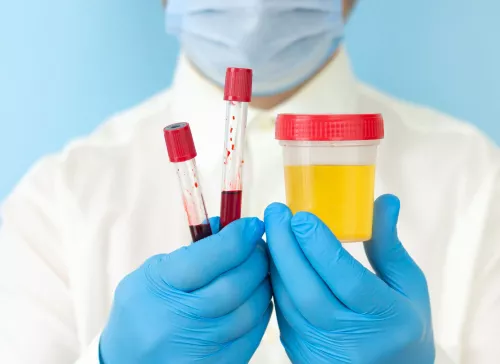
Kidney disease screening should include:
- Blood test to check kidney function through an estimated glomerular filtration rate (eGFR). This is an estimate of how well your kidneys are filtering waste from your blood.
- Urine (pee) test (urine albumin-to-creatinine ratio or uACR). This test checks for protein in the urine, which can be early sign of kidney damage.
These tests are quick, widely available, and should be part of your routine care, but they are not always ordered together unless kidney disease risk is specifically considered.
Who should get screened for kidney disease?
You should be screened if you have risk factors for kidney disease, including:
- Diabetes
- High blood pressure
- Heart disease
- A family history of kidney disease
- Being older than age 60 (which raises your chance of getting kidney disease)
- If you identify as a race or ethnicity that is at a higher risk of getting kidney disease (Black, Hispanic, Native American or Asian American)
- Autoimmune diseases (such as lupus)
- A history of kidney injury, preeclampsia or recurrent kidney infections
That said, kidney disease can affect anyone, which means risk-based screening is important, and that awareness matters.
Most people with kidney disease do not have a known family history, especially in the early stages. Kidney disease often develops silently and may be related to conditions like diabetes.
Screening helps catch kidney disease early, monitor your kidney health over time and identify problems before symptoms or damage occurs.
I got my bloodwork done – is that enough? Why or why not?
Not always. While bloodwork (eGFR) is important, it does not tell the full story. Blood tests show how well your kidneys are filtering waste and water. Urine tests detect kidney damage earlier, sometimes even before blood tests become abnormal. You need both blood and urine tests to fully screen for kidney disease. Without a urine test, early kidney damage can be missed.
What are some barriers I may encounter when trying to get screened?
Many people can face challenges when trying to get screened for kidney disease, including:
- Not knowing you are at risk
- Assuming routine bloodwork is enough
- Limited access to health care or insurance
- Cost concerns
- Time constraints
- Transportation challenges to get screened
- Lack of culturally appropriate care
- Fear or uncertainty about test results
- Health care professionals who may not feel you need kidney screening
It is important to take action and be aware of your risk of kidney disease.
What are some ways to overcome those barriers?
Taking the first step doesn't have to be complicated. Here are some ways to move forward:
- Starting the conversation by asking your health care provider to screen you for kidney disease
- Being specific and requesting both a blood test to check kidney function (eGFR) and urine albumin test (uACR)
- During preventative visits, such as your annual checkup, ask about kidney health
- Bring a family member or friend who can help you advocate and help you ask questions, especially if your health care provider may not believe screening is necessary
- Use educational resources to understand your results and next steps
To find out more about kidney disease, including risk factors, ways to prevent the disease or slow its progression, check out AKF's Know Your Kidneys® resources. After you get both screening tests, you can get help understanding your results through the Know Your Numbers tool.
Early detection saves lives. Take the pledge to protect your kidneys and talk to your doctor about your kidney health today.