


Blog post
Insights from two nephrologists caring for veterans' kidney health
Nephrologists Dr. Anita Mehrotra and Dr. Etti Zeldis share the unique challenges veterans face, how military service can affect kidney health and the stories that inspire them in their work
In honor of Veterans Day, we spoke with Dr. Anita Mehrotra and Dr. Etti Zeldis, two nephrologists (kidney doctors) dedicated to caring for veterans every day. They shared the unique challenges veterans face, how military service can affect kidney health and the stories that inspire them in their work.

Dr. Mehrotra's path to working with veterans began early in her career, first working at the U.S. Department of Veterans Affair (VA) as a medical student and later as an internal medicine resident and nephrologist. Today, she works in a community-based health system in New Jersey but continues to care for veterans listed for transplants or receiving post-transplant care.
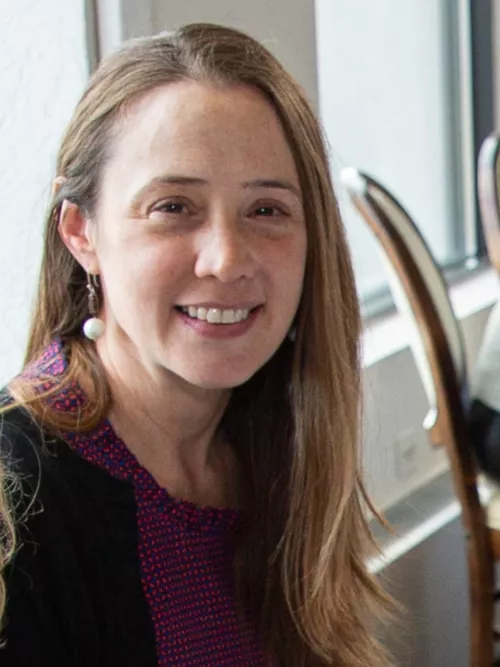
For Dr. Zeldis, her work with veterans began during her fellowship rotation at the VA. She enjoyed her experience there so much that she decided to work at the VA full-time. Over the years, she's built lasting relationships with her patients, often seeing them through clinic visits, dialysis and transplant recovery.
Unique challenges veterans face related to kidney disease
Veterans often face specific health issues related to their military service, which can lead to chronic illnesses such as chronic kidney disease (CKD). In fact, according to the National Institutes of Health (NIH), veterans are estimated to have 34% higher rates of kidney disease than the general United States population.
There are multiple factors that can lead to higher rates of kidney disease in veterans. Dr. Mehrotra noted that exposure to chemicals like Agent Orange (a chemical herbicide), military burn pits, heavy metals and solvents in combat can increase the risk of CKD. Dr. Mehrotra explained that veterans also tend to have higher rates of diabetes and high blood pressure (hypertension), which can cause kidney disease. These higher rates are partly influenced by lifestyle factors or limited access to preventive care after leaving the military. Dr. Zeldis echoed these concerns and highlighted the mental health burden many veterans carry. Based on their military deployment and exposure to traumatic events, veterans are more likely to develop post-traumatic stress disorder (PTSD) than civilians. "There's a trauma element you have to keep in mind," said Dr. Zeldis. "Some veterans have a diagnosis of PTSD and may be managed well, but they may have a fear of needles in dialysis or a general mistrust of some aspect of their care as they progress through kidney disease."
The effects of PTSD can have an impact on veterans' overall health, including their eating and exercise habits, and how well they adhere to prescribed medicines, according to Dr. Mehrotra.
Despite these challenges, Dr. Mehrotra emphasized that in her experience, veterans show a lot of determination when it comes to managing their kidney care: "They're resilient and show a lot of grit, which I don't always see outside the VA."
Protecting kidney health in the veteran community
Given the higher rates of kidney disease among veterans, both Dr. Mehrotra and Dr. Zeldis emphasized the importance of preventative care. "Regular check-ups with a primary care doctor are crucial to identify diseases like hypertension and diabetes early so that they can be controlled with medication and lifestyle changes as necessary," said Dr. Mehrotra. "It's important to stay hydrated, maintain a healthy diet and avoid substances that can be toxic to the kidneys." Some examples of substances to avoid are tobacco products and alcohol — which can put extra stress on the kidneys.
Dr. Zeldis encourages veterans to take advantage of all the resources the VA has to offer. She highlighted the VA's unique strengths, including the fact that nephrologists are on-site full-time.
"We often see patients at each dialysis treatment, allowing us to provide comprehensive care beyond dialysis and to advocate for transplants," she said. However, she also acknowledged that some veterans may not seek care right away. "Sometimes we see patients later in their disease progression or they enter the VA system without prior care. I think there's sometimes a reluctance to engage in care until it's emergent. They may feel they can manage on their own," she added.
Veterans who are not yet connected with the VA can find their nearest VA medical center or clinic by visiting https://www.va.gov/find-locations or calling 800-MyVA411 (800-698-2411) for more information about available services.
Inspired by the service of their patients
Dr. Mehrotra and Dr. Zeldis help veterans navigate kidney disease with expertise and compassion. Both doctors expressed feeling inspired by their work with veterans.
"These individuals have served our country in the most selfless way," said Dr. Mehrotra. "I am honored to be able to help them with any health issues they may experience after their service."
"[Veterans] have a really positive attitude," Dr. Zeldis added. "When I round on my dialysis patients, every week they thank me for my service. They're a service-related population who served in the military, and they appreciate the care they receive."
She also shared a story of a Vietnam War veteran in his 70s who needed a procedure related to his dialysis access. While most patients would have been hospitalized for the procedure, this patient had a different response. "He told me, 'I'm not really scared, Dr. Zeldis. I used to jump out of planes, so this doesn't really scare me,' she recounted. "His Air Force service gave him perspective."
As we honor our nation's veterans this Veterans Day, their determination and resilience remind us why supporting kidney health is so important. By promoting early detection, prevention, and compassionate care, we can help ensure that every veteran has the chance to live a healthier life beyond their service.
Explore AKF's website to find out more about Veteran's kidney health:
- Veterans and kidney disease
- Benefits for Veterans with kidney disease
- The Mental Health Impact on Veterans Living with Kidney Disease
AKF has partnered with the U.S. Department of Veterans Affairs (VA) Veterans Health Administration to increase awareness of kidney disease among U.S. veterans and to support veterans who have been diagnosed with kidney disease.

Related articles

Press release
More than 80 rare kidney disease advocates are urging lawmakers to support legislation that would improve early diagnosis, genetic counseling access and care for people with rare kidney diseases.

Press release
New patient-centered IgA nephropathy guidelines help patients understand and follow clinician recommendations

Press release
Together they are advocating for legislation to protect living organ donors and access to healthcare

Press release
Newly established AMKD Coalition unites leading voices to address need to heighten awareness of APOL1-mediated kidney disease (AMKD)