


The Kidney Collective: I Wish I Knew How Kidney Disease Could Impact My Mental Health
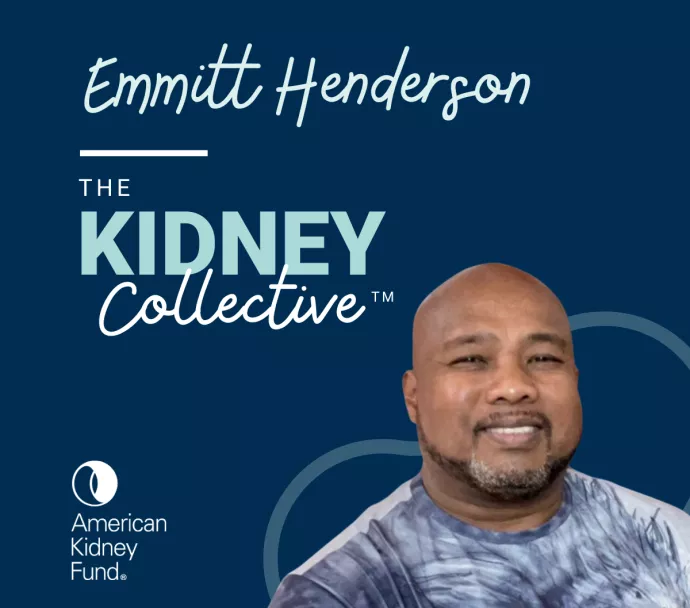
A conversation with Emmitt Henderson III, as part of The Kidney Collective's introductory podcast series.
Sept. 17, 2025 | The Kidney Collective
In this episode of The Kidney Collective, hosts Tamara Ruggiero and Mike Spigler welcome Emmitt Henderson III, a passionate advocate for lupus awareness. Emmitt discusses his personal journey with lupus and kidney disease, the challenges he faced, and the importance of prioritizing mental health and seeking support. He dives into the creation of his nonprofit organization, Male Lupus Warriors, recounts his experience climbing Mount Kilimanjaro, and emphasizes how critical it is to participate in clinical trials.
Emmitt is currently in need of a living kidney donor. For more information, please visit his website here.
About Our Guest
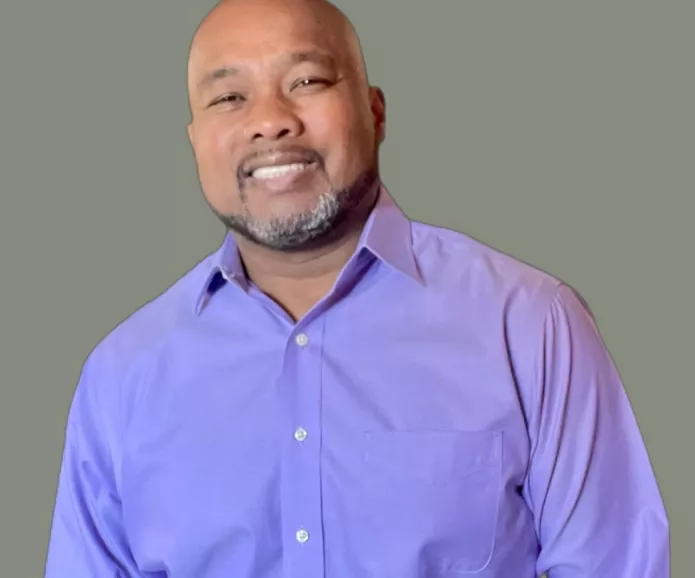
Emmitt Henderson III
Born in the Philippines and raised in San Diego, Emmitt was diagnosed with lupus in 1995 after years of undiagnosed symptoms. Despite facing severe health challenges, including chemotherapy, a kidney transplant and organ failures, he stayed active in the automotive industry. Through Male Lupus Warriors, Emmitt raises awareness of lupus, particularly among men, and promotes a positive mindset, proper care and support. His work has earned him multiple honors, including the Gibson Lupus ARC King title in 2020 and the Advocacy Trailblazer Award from the State of Georgia in 2024.
Show Notes
- Emmitt's journey with lupus began in 1995 after years of undiagnosed symptoms. He faced multiple dismissals from medical professionals before finally receiving a diagnosis. After that, Emmitt experienced several organ failures and surgeries and suffered both mentally and physically.
- Mental health plays a crucial role in coping with chronic illness. He founded Male Lupus Warriors to support men dealing with lupus and offer them a safe community to discuss mental and physical health challenges.
- Climbing Mount Kilimanjaro was a life-changing experience for Emmitt and a chance for him to challenge himself while still knowing his body's limits.
- Emmitt emphasizes the importance of seeking help and being open about one's struggles. It's essential to surround oneself with positive influences and support systems.
- Clinical trials can provide new treatment options and help change the trajectory of research for those with kidney disease and other kidney diseases.
- Emmitt's story highlights the power of resilience and advocacy in the face of adversity.
- To find out more about Emmitt's advocacy work and upcoming local events, follow along on Instagram at @malelupuswarrior1.
Chapters
- 00:00: Introduction to The Kidney Collective
- 01:49: Emmitt's Passion for Kidney Disease Awareness and Advocacy
- 02:30: A History of Health Challenges and Emmitt's Lupus Diagnosis
- 05:21: Lupus's Effects on the Body and on Mental Health
- 14:15: Male Lupus Warriors' Creation and Responses Around It
- 15:44: Advice for Mental Health, Finding Support, and Maintaining a Positive Mindset
- 23:45: Emmitt's Experience Climbing Mount Kilimanjaro
- 29:20: The Search for a Living Donor and Dispelling Organ Donation Myths
- 31:52: Participating in Clinical Trials
- 35:35: Recap of Emmitt's Conversation
Transcript
Emmitt Henderson: I am Emmitt Henderson III, and I wish I knew how lupus and kidney disease affected my mental health.
Tamara Ruggiero: Hello, I'm Tamara Ruggiero
Mike Spigler: I'm Mike Spigler.
Tamara Ruggiero: And welcome to The Kidney Collective, a podcast series that gives voice to what it's really like to live with kidney disease. In each episode of this limited series, we'll talk to a member of the kidney community about their experience, including what they wish they had known before their journey began.
Mike Spigler: Join us for a personal look at what life is like in The Kidney Collective and come away with information and inspiration to help you know how to take charge of your kidney health.
Mike Spigler: Today, our guest is Emmitt Henderson III. Emmitt is a passionate advocate for lupus awareness and the founder of Male Lupus Warriors. Born in the Philippines and raised in San Diego, Emmitt was diagnosed with lupus in 1995 after years of undiagnosed symptoms. Despite facing severe health challenges including chemotherapy, a kidney transplant, and organ failures, he stayed active in the automotive industry. Through Male Lupus Warriors, Emmitt raises awareness particularly among men and promotes a positive mindset, proper care and support. His work has earned him multiple honors, including the Gibson Lupus ARC King title and the Advocacy Trailblazer Award from the Social Health Network. Thank you for joining us, Emmitt, and welcome to The Kidney Collective.
Emmitt Henderson: Thank you so much for having me. You guys, really appreciate you so much.
Mike Spigler: So Emmitt, I want to start because it just was by happenstance that I sat down at a table that you were having dinner at at event that you were doing with us and I was immediately hanging, just hanging on every word that you said. You're just so passionate and earnest in how you come across. Where does that passion come from that just kind of pours out of you?
Emmitt Henderson: You know...When I realized that when I got into advocacy that I was able to help one person, that meant the world to me. And I figured, I think I got something going on here with my story and what I'm doing. And next thing you know, I'm helping more and more. And that, I'm gonna tell you Mike, is my fuel for everything that I do. Just the fact that people are coming to me and saying that I had helped them. Words like you saved my life. Words like I didn't know that this and that. To bring that to them is such a blessing, such a blessing.
Mike Spigler: Fantastic. Well, I touched a little bit about your bio in the intro, but I'd love for you in your own words just to kind of tell us some of the health challenges that you've endured through the years.
Emmitt Henderson: Wow, you know. With the invisible disease of being diagnosed with lupus and kidney disease in 1995, like most patients, our symptoms went well before that, undiagnosed. Not only was my symptoms undiagnosed, but there was a lot of dismissals when I went to trying to seek medical care. There was a lot of, you know, just, "you'll be fine". And as a young man looking fit, looking healthy, it just was really hard for me to try to get the attention of the medical because of the things that were going on with me and it all started you know as a little kid at 10 years old with rash and fevers you know a rash that pretty much was all over my face and my chest and fevers that my parents couldn't understand what was going on. Taking me to the hospital, they did do workups on me. They did even a skin biopsy biopsy on me but all of that turned out to be fevers and rash of unknown origin.
Then fast-forwarding into my adulthood, you know, dealing with it. In 1993, as a manager in my profession, I started having these joint pains. And because joint pains are invisible as well, other than me telling them, going into the hospital three different occasions, I was told there's nothing wrong. But x-rays didn't show anything, of course. And I was told nothing's wrong. I was told to go home, put ice on it, take Tylenol, and you'll be fine. After that third dismissal, you guys, I ended up just not going back for the next two years and dealing with severe joint pains all over until the lower part of my back started hurting. Had no idea what it was. At that time, I was more into work, into living my life as a 25-year-old man, living the best way that I can, not thinking about my health other than whatever it is. They're telling me nothing's wrong. I should be fine, but the back pain got so bad, go in to the emergency. First time they drew blood and when they did and saw everything out of whack, they decided to keep me and after three and a half months of being in the hospital, I was told that I have a couple things going on but the main thing is I have a systemic diagnosis called lupus, which I never heard before and that I have kidney disease was the pain in my lower back.
You know, when they described lupus to me, you guys, they told me it was a woman's disease and rare for men. So at that point I was in dismissal and I just asked can I get my medication and go home and next thing you know the next few years, the worst part of my life.
Tamara Ruggiero: Emmitt, many people don't know very much about lupus and how it can affect your entire body. Can you talk about what you went through and what the impacts of lupus have been on your body?
Emmitt Henderson: It was really wild because I wish I would have done the homework on what lupus was. But you know, the first time that I asked about it in the hospital, they gave me a pamphlet to learn about it because the nurses wasn't even really sure in 1995. But the pamphlet that they gave me had a woman's anatomy and a description of what lupus does to a person. And I'm reading this and I'm like, okay, well, I don't have these parts. This can't be what I have. It can't be. But again, remember back in 1995, I had no resource. Google wasn't around, internet wasn't around. I had nothing to go off of. So it was pretty tough. There was a lot of things that I wished that I had known, but unfortunately the resources just weren't there.
Then as time went on, you know, let's fast forward, say the next even 10 years from that point, I had almost every organ failure in my body. Those episodes were tragic for me, my family, you know, from my work. Because here's the thing, as a young man doing what I did as a manager in my profession, I didn't expose what I had going on with me medically. I didn't tell them I had a disease called lupus because at the end of the day, you guys, I couldn't explain what lupus really was then. I wasn't educated on it, but...I just kept on trying to push, live life, ignore as if I don't have this disease and try to keep going. And I think that's where, if I could say today, that's where my mental health, it's got me to where I am at today because my mentality was "I don't have a woman's disease". I am a man. I am good at what I do at work. I am raising kids. I am going to keep pushing and I'm going to keep going. Organ failure after organ failure. I took time off of work to, you know, to let those things heal. Surgery after surgery. But I kept going back to work as if nothing was wrong. And so that kept me going. And then it just got worse.
My condition got worse. You know, I ended up going into heart failure where that heart failure incident put me in the hospital for three months in a coma for three and a half weeks. And then after that, had to, I got released going to rehab, learning to walk, talk, using my limbs again. And again, my whole mentality was I'm gonna get over this. I gotta go back to work. I gotta get back to my routine. And sure enough, you guys, I did.
But then after that, my doctor had told me that I could not take any more lupus flares and that's where your symptoms exaggerate and pretty much inflame everything in your body. Told me that my heart wasn't going to be strong enough to take another flare.
So they introduced me to a clinical trial. Never heard of what that was before, but at that point I knew that life was so important to me, I had to do whatever it takes. So I did a bone marrow stem cell transplant, was the clinical trial that I did, and I'm going to tell you that suppressed my immune system to where lupus was very low in my system and I thought I was living my good life until my kidneys failed completely. A little bit after that, then I went to dialysis for a year, introduced a peritoneal dialysis, and then I was blessed with a kidney from my little brother. The best thing in my life because I was struggling at that point, but when they came and told me that my brother was a match, they decided to, he decided to go ahead and be my second life, my lifeline. I got a kidney transplant, again thought life was good.
Fast forward now to 2019 with still little minor here and there, but now I got introduced that I was having a brain disease because of major headaches I was having. Now the brain disease is what ended my career. And I maintained work all that time, but when the brain disease came in with the medications and the lifestyle needed my job wasn't what was good for me at all. So unfortunately I had to stop working. But that's where I decided I am not going to let this beat me again. And my mental health kind of kicked in and said you are more than this disease. You need to do something about it.
I picked up a pen and paper and I decided to create an organization that was going to talk about lupus. Talk about mental health because that was my strength the whole time. And men's mental health especially because when I knew that I had this disease and tried to reach out to other men about coping with feelings, coping with emotions, nobody talked about it. Nobody did. And I figured, you know what, someone has to help me get through this because I'm helping myself but I need more help. And so that's when I decided to just create my organization and bring the help to the people like me that are looking for information on how to cope with certain things. How do a man trying to live life at its best, raise kids, raise a family, be the rock of his household, how does he deal with the disease he didn't ask for? So I decided to do that and I created Male Lupus Warriors.
And since then you guys, you know, the journey has been tough still because I've had a lot of complications with lupus as the major umbrella for everything I've been through. Complications with the vascular necrosis that led to joint replacements. I was pretty much an athletic person. I lifted weights, I did a lot of things, and with the joints in my body feeling it wasn't good, with the results of that, it led to a knee replacement, led to a shoulder replacement. I have an upcoming knee and hip replacement, as well, coming up soon. But, you know, to me, it's kind of like, this is just what God put me through, and he's testing me. And that's where my mental strength comes in, because I'm gonna get all through all these tests. With lupus and advocating, I didn't know that I had a story until I told my story. And when I told my story, I didn't realize the words I was getting about it. Powerful, empowering, inspiring. And those to me were words that filled me. But when I look back through the years, I was just trying to survive. I did not know it was going to lead me to what I was doing today. And what I am doing today to me is priceless. I know that teaching one person, I could reach out to millions. And that's my whole point of doing what I do as Male Lupus Warriors.
I express the fact that only 10% of men have lupus and that our mental health is very important and it matters. There's a lot of guys out there including myself that we held things in for a long period of time but that leads to stress, that leads to other complications that we don't need to get into. So we try to keep that going but with me, my health did not stop. Unfortunately, I got into my second kidney failure advocating a really big expedition of going to Africa. When I went to Africa to bring lupus awareness, you know, to a campaign that anything is possible, you know, that campaign was very, you know, very successful. Politicians, lupus support groups, city officials we met out there, but then the bonus out there was to climb Mount Kilimanjaro. When I got the beauty part of enjoying Africa, climbing Mount Kilimanjaro, by the time I got back, I didn't realize I was in kidney failure for the second time.
Today, I am still in that failure after two and a half years. I do home hemodialysis, which I was opt to train myself to do it myself at home and because it fit my lifestyle of running Male Lupus Warriors. But with that, again, shows my determination that no matter what, it's not going to stop me. With home hemodialysis, I travel, I go everywhere to do speakings. I don't let it slow me down at all. And this is what I am doing today.
Very fortunate, very glad this is my calling and to be on a platform with you guys it just really you know expands everything that I'm doing so thank you again and that is kind of a gist of everything that's going on with me and has gone on with me.
Tamara Ruggiero: Well, we're so glad you're here with us today and you have so much to share and your story is just so powerful and you've been through so much. And I wanted to ask you in particular about the organization that you founded, Male Lupus Warriors, because I'm wondering what has the response been from men where your organization is focused on lupus in men and as well as mental health? What kind of response are you getting from men?
Emmitt Henderson: The responses that I was getting is, it's about time. We finally have a space. You're the first person I've seen to even talk about it. know, Lupus is rare in men, but what's more rare is men speaking out. So it did grab the attention of a lot of guys. The guys, of course, started out quiet just to kind of get a feel, and they're still nervous about being transparent, telling their story. But then after they felt and seen me so comfortably doing it in private sessions and meetings that I hold, they started coming out. And now it is just I can't get these guys to be quiet because we constantly have that vibe of these guys waiting for that time to speak on things that they normally can't or won't speak on. It's very uplifting, Tamara, very uplifting.
Tamara Ruggiero: That's fantastic.
Mike Spigler: So for those listening, Emmitt, I'm just thinking, you know, even in my own life, you know, I try really hard to try to be kind of open with my own kind of emotional mental health. And even some of my friend groups, like I'm talking to them, they seem to kind of brush it off and push past it. I think you and I are kind of cut from the same cloth, but I think most men, as you're stating, not used to that. What advice do you have for either the guys that are out here listening or maybe their wives or loved ones that have, you know, someone dealing with kidney disease and has these things bottled up, what's your advice for them? How do they start this process of trying to open up in dealing with the mental health side of things?
Emmitt Henderson: That's a good one, Mike, because I get that question a lot. And the best thing that I can say is to get involved. You know, don't not necessarily have to be center stage when you get involved with organizations like yours, organizations like mine, or even support groups. Social media offers so much, and I know people are not wanting to put their information out there, but getting involved, you have options to just go in in these groups, listen.
You don't necessarily have to speak and be center stage like I mentioned, but when you listen to hear what other people are sharing, then you kind of put in perspective what you're going through and sometimes you just want that ear, but you don't want that reply. And starting with these groups, you can listen to everything that they're going through, you can hear similar situations of yours, and sometimes that will want you to speak out or share more. You know, every sessions of most meetings, we have chat sessions, you could even type in questions in the chat instead of speaking and then that eventually sometimes can build your confidence on, like I said, speaking more. I've had guys that started that way. No camera, not speaking at all. Third time in, next thing you know, they're speaking with no camera. Fourth, fifth time in, I can't get them to be quiet and they're just such a blessing to open up because again, sometimes they can't open up to their closest people but they have with us that safe space, the confidential space, and they know that they're speaking with people walking in their same shoes.
Mike Spigler: Great advice.
Tamara Ruggiero: Emmitt, I'm curious how you've maintained a positive mindset and I'm wondering what that's been like for you. Have you always had this positive mindset or have you grown into it?
Emmitt Henderson: You know, Tamara, it's a good question again because back then, you know, back in the 90s, I had the momentum and the confidence to doing what I did as a manager in my organization. Raising two kids at a young age as well, I knew I had a focus. So that's what it was and that's how I stayed positive. No, there was a lot of times that I had doubts because I didn't know what this disease was bringing me. There was a lot of times that the doctors made things sound negative, but to me it was "okay, well, I can't take it that way because I can't get to that negativity". And so I kept on going with it and everything went to my advantage to where when I knew that I was able to overcome a certain failure in my body, I felt "okay, I think I'm doing well, I can maintain course, let's keep going". Next thing you know, everything to me kept getting stronger in life. The work promotions despite having the illness, know, people saying that you look good from the outside.
And I'm like, well, you just don't know what's going on inside, but I'm gonna take it as a compliment. That's another positivity in my life. And then the fact that I'm able to keep my mental health strong, that is where it just got to me to where I knew that I can do this. And there's a lot of things that I can say that back in the early times that I wish I would have known this, but I'm pretty confident and happy that my course went the way it did because it was a learning course. It was a learning curve that took me to where I have built up the strength I have today because of my experience in the past.
Tamara Ruggiero: Yeah, and what would you say to somebody who's watching this and saying, well, you know, he's a really positive guy. He's in a really good place mentally. I am not. I am struggling and I just don't see how I can get there.
Emmitt Henderson: You know, I would start to tell them that it does start within you because it doesn't just come and happen overnight and it didn't with me. I had to build it. But again, I had to focus on getting better myself. And there's a lot of affirmations that I repeated to myself about getting better. A lot of, you know, positivity that was around me that was important. You have to surround yourself with positive people.
If you're going to open up about your illness, about what's going on with your personal life, to other people. If they're not accepting to it, then you don't have to keep trying to get them to accept what you're going through. No. Move on knowing that you can do it within yourself and search for that positivity around you. And most of the times, that positivity is gonna find again within you. Self care, self love, and just be yourself. Don't change for anybody. And you'll see how that confidence grows. And as it grows, you'll be more confident in yourself in all that you do.
Mike Spigler: That's great. So, you offer so much support to other people, and Male Lupus Warriors and other groups. Who is your support? Who's on your team that helps you keep going during the day?
Emmitt Henderson: You know what? It first started with my family because they were the only ones that I could tell I had a woman's disease. Despite that, they were like, you know, you'll be fine. You'll get better. Even though they didn't understand it. So I got that. And then there wasn't hardly anybody because it was my fault, by not opening up. But when I did, the closest people to to me told me, you know, years later, if you just would have said something, we would have supported you more. And OK, so now I know where that came from and then my fiance today which also has lupus is should I say one of my biggest supporters as well as my kids they all helped me through my journey to get where I'm at. They validated everything that I wanted to do that the doctors told me maybe you shouldn't and that gave me the strength to continue my men's support group.
The fellas that are in my support group give me fire and inspiration because my whole point was to tell my story and to see them hear them telling their story, it motivates me so much. And then the whole community itself, when I finally told my story, I didn't know I had, they supported me, they applauded me as a man coming out with lupus. So the rain just started coming down with positivity and support. And to me again, I wish that I would have known that the support was there because maybe back then I wouldn't have hid so much. I would not have closed so much to myself, to my people, to my family because the person that I am, I would have gotten the support anyway. So that's a good thing that came full circle with me.
Tamara Ruggiero: Yeah, and you've kind of touched on this already, but I wanted to kind of drill down a little bit more into what advice would you give to someone who doesn't have that support system or doesn't think they have it, someone who's feeling isolated?
Emmitt Henderson: You may not have it in your immediate circle, but it doesn't mean that it has to be in your circle to get that support. There was a lot of support that came my way just by getting involved that I mentioned earlier. Social media offers groups. offer whatever your illness is, like a minor lupus and kidney disease, there's support groups and organizations like American Kidney Fund that you can join to get information to just feel what's going on out there.
Seek it out, because unfortunately we all know that a closed mouth does not get fed but when you mention that you're just looking for support, somebody will answer that call. You can come to Male Lupus Warriors, I will answer that call and and I will help you understand you know that what you're going through, it does not dictate your life - it should not. You matter and you need to know that from the beginning. So it is out there it's just that you need to go out and seek it.
Mike Spigler: Emmitt, so one of the programs that AKF has here to also raise awareness about lupus and lupus nephritis, we have a program called Looped In on Lupus, and we'll put a link to that in our show notes. But as much as we've done with that program, we certainly haven't done something like climb Mt. Kilimanjaro to raise awareness about lupus. So can you tell us about that experience and how that came to be and how that turned out?
Emmitt Henderson: Yeah. Absolutely. You know, first of all, just being honored to do what I do had led me to a lot of sponsorships in, you know, traveling to do speakings and just all kinds of different events and conferences to speak on my behalf. One of the biggest ones was to accompany an organization to Africa to bring lupus awareness to Tanzania, which in Tanzania is we all know is the biggest mountain in Africa and that's Mount Kilimanjaro, but it was such a blessing to be honored to go because on our way there we experienced Egypt for about 10 hours.
So, you know, I got a chance to see the pyramids, the Spinks and all that good stuff, a lifelong, you know, bucket list I wanted to do. But then the most important was meeting the lupus support groups down there, hearing their perspective of having lupus down there, seeing how it affected me. They were just all in awe that I went through everything and still being able to travel and speak today or at that point at that time. And then because that went so well, you know I was on the international news and it was such a blessing to look up on the TV and see my name and my face on the international news of bringing lupus, which is already an unknown disease in most parts of the world, to Africa.
And so after that went well, we had an expedition to climb Mount Kilimanjaro. I was ecstatic about that and I figured didn't know much about the mountain at all, read a lot about it and I said, you know what, this is something that I know I'm ready for. And prior to going to Africa, of course I trained for it. I was in good medical health according to my doctor, despite my condition, you know, and everything went well. Then here comes the hike. And I'm going tell you guys such a beautiful experience seeing the different climates, seeing the animals in the free, just seeing the forest, the wetlands, the desert, the heat, all in just that ecosystem of that mountain.
It was such a beautiful thing, but here's the unfortunate part. Out of the 19,000 feet, at 17,000 feet, my lungs started to give in. I had interstitial lung disease with lupus years back. I was on oxygen for about two and a half months, but since then, I haven't done anything rigorous enough to say activate and damage my lungs until I got to that 17,000 feet. When I was at that last camp, I knew that I was almost there and I realized that this is something that I'm looking forward to. And I kind of went a little bit off my regimen, should I say, of higher pace. That higher pace led to high altitude pulmonary edema. My lungs were filling up with water and I felt like I was drowning. Now, the person in me, the fight in me was saying that I can do this, I just need to relax. The doctors that joined us on the group, they unfortunately decided to terminate the rest of my climb.
I'm gonna tell you that was like the worst thing I had to hear, but at the same time when I look back it saved my life and I also was glad that I made that decision not to carry on that extra thousand feet. The team went ahead and went on. I gave them my blessings to go do it for me and I listened to my body and I got brought down the hill. You know I had that kind of feeling of disappointment but when I got back to the States two weeks later I found out I was in kidney failure for the second time.
Now, I believe that that kidney failure rose from prior to that mountain climb because I was having lupus symptoms, or excuse me, I was having symptoms that I thought was lupus related, but the doctors told me, no, it's more likely you were in kidney failure before you went to Africa. It's just that that climb exaggerated even more. And so, when I got back with a feeling of disappointment, it's kind of like I felt low, but the positivity that came out of the community, my family, my friends, I mean, you did something that people wouldn't even attempt to do.
You did something that people in your condition couldn't even imagine doing and so I felt okay with that, but then when I saw the videos of the team that made it and dedicated that climb to me that right there was like there's nothing that I can do that lupus can hurt me, kidney disease can hurt me, that I can feel disappointed about because there's always such a good outcome and and that you guys was a blessed outcome and I have no problem in saying I did not finish it. But I attempted it. And again, that's God's way of saying, good job, Emmitt, you did it.
Tamara Ruggiero: Exactly. And you did not finish it, but you survived and you listened to your body and your doctor. You made it through, right? A lot of people keep pushing even past the point of where they should, and then they ended up in a really bad situation. So kudos to you. Yeah.
Emmitt Henderson: Thank you so much. Thank you.
Tamara Ruggiero: Yeah. Emmitt, can I ask you a little bit about your search for a living donor? Can you talk a little bit about that experience, what you've been through?
Emmitt Henderson: Yeah, you know, because it's my second kidney failure, my first kidney failure after a year, I got blessed with a kidney. And this second kidney failure, I tried to go into the same routine, but unfortunately, this one was a little bit harder, should I say, health-wise, because of the complications that I was having with hemodialysis ports. I went through 10 ports, catheters should I say, and two fistulas, and they were all failing back to back to back. So my need for a kidney is pretty urgent to where the advocate that I have, I've advocated for myself, I've done so many campaigns of looking for a kidney, you know, and a lot of them have got a lot of good, you know, they've received everything that I put out there from my own merchandise of shirts saying "looking for a kidney donor," from advocating myself. I mean, I've even gone places and put out flyers that I need a kidney.
And then I have an event that I'm putting together here in San Diego that this event is just to bring awareness to organ transplantation and also kidney disease as well as transplantation. Now we see a lot of advertising on, you know, medical things and cancer and stuff like that, but there's not too much I hear about the process of how organ donation works, how you don't have to be a match in order to give an organ to to a friend, a loved one, a family. But a lot of people don't know that. So we're having this event to put those resources out there. We're gonna have speakers from donors that have given, recipients who have received. We're gonna have speaker from a medical doctor in regards to transplantation and how that works because with so many people on the transplant list, whether kidney, liver, or hearts, we need to know resources on how can we help, how can we give. The first note that they hear is, I'm not a match, and they feel that's the end. No, it's not. There's so much more that can be done, but the resources maybe are just not enough that's out there or they're not seeking. So we're trying to bring it out there. And once we do, then people are to realize, I wish I would have known certain things.
Tamara Ruggiero: Well, I think what you're doing is so important because people, I think people are starting to realize more that you don't have to be a match to save someone's life. But I think bringing that awareness is critical. And I'm going to toss it to Mike for, think, our final question.
Mike Spigler: So, Emmitt, I want to go back to something you talked about earlier, um you know, just about your experience in doing a clinical trial because, you know, I think there is an unease in this country right now that I've never seen before with a mistrust of the health system and science, but we can't move things forward, right, unless we're doing trials to try to find things to help people just like you. So, you know, what made you, you know, want to participate in a trial and what advice do you have for someone out there that might be thinking about, hey, should I participate in a trial? I know, but I'm a little, little uneasy about it.
Emmitt Henderson: And that's a really good thing to talk about, Mike, because even to this day, I still get a lot of those questions on how did I join and why did I get involved. And my particular case was after my heart failure to where I wanted to live. And when I was offered a clinical trial, I knew that if this is a way that can help me, I'm going to take it because of my will of wanting to continue my life. And when I did, the outcome was a success for me. And the outcome is what put me on track to where I'm able to be here today. But a lot of the things, though, is the misconception of clinical trials, for one. People need to understand that clinical trials are something that are out there to help us. Seek that help. We're not going to understand how is it going to help us. I realize that my disease is a lifelong disease with medication. Do I want to live that way? Lifelong with an illness, complications, medications, or can I seek something that can help me? That's what the clinical trials are for. We will not get, we will not know if we don't get involved. I see people in the community talk about being in pain every day, not loving what they're going through every day, but ask yourself, is there something that I can do about it? Ask yourself, speak to somebody that has done something about it and how did it go for them? There are a lot of success stories on clinical trials that are out there that are helping people. Again, if we don't get involved, we will never know. The more people get involved, the more these clinical trials can go to further testing and get approved and be the lifeline that we're looking for. But, if we don't get involved, we won't know. I definitely endorse clinical trials. Look for them. They're out there specifically for your illness and talk to other people that may have gone through them. Everybody's case is different, but again, they're out there and they're safe and you just need to just get involved. That's the best way to do it.
Mike Spigler: Thank you so much, Emmitt. I'm wondering as we start to close out, what are your kind of final thoughts and takeaways that you want listeners to know about?
Emmitt Henderson: Take away that, you know, whatever illness and whatever life debilitating thing that you're going through, you can get through it. You know, it starts again within you and your mental health because your body physically may be going some of these symptoms that it's putting you through. But if you have the mental health of knowing that you're gonna be fine, seek the proper treatments. Listen to your doctor. That's all mental. When you do things like that, listen to your body the way I did on Kilimanjaro. You have to. You can go further and you'd be surprised how much you can achieve. But again, it all starts with you. It all starts with you. Nobody knows your body but you. The doctors are here to help you. Your friends and family are there to support you. But you are there to carry yourself and you can get through it. You can get through it.
Tamara Ruggiero: Emmitt, thank you again for sharing your story and your advice. This has been such a great conversation and thank you to our listeners for joining us for this episode of the Kidney Collective.
Tamara Ruggiero: So Mike, Emmitt Henderson, love talking to him. I think he has been through so much. He went through years of misdiagnosis and just wondering what your thoughts are on that.
Mike Spigler: Yeah, I think there were so many things that we talked about with him. I think one of the things that really stood out to me was, what drove home was the importance of, you know, the healthcare team talking to the patients they're serving in a way that they can relate to and that is compassionate. I mean, his story about, you know, first being diagnosed with lupus and, you know, kind of being brushed off of this is a woman's disease. And he said when I was taken aback by, even the brochure had, you know, just as female anatomy. It just didn't relate to me. It's really important, I think, that for any healthcare professionals that are listening to this, that you really do that kind of patient-centered mindset when you're giving a diagnosis, especially something that's a rare kidney disease like lupus. It's so important.
Tamara Ruggiero: Yeah, and Emmitt took it really, you know, took it to the next level. He created Male Lupus Warriors to give men a space to speak openly about chronic illness and having lupus. And I think that's something that we just don't hear enough about.
Mike Spigler: No, we don't. And as a male who sees a lot of people struggling with their ability to be vulnerable and talk to others and share their feelings, we need more people like Emmitt out there. I can certainly attest to that to really move people to be willing to share their experiences. Mental health, emotional health is not something that's limited by your sex or gender. It's just not. And we've got to really create a safe space for everyone to really have feelings and emotions.
Tamara Ruggiero: Yeah, and you know, he reminded us you are more than this disease. What a powerful quote, and that's something I've heard so many other people living with kidney disease say.
Mike Spigler: Absolutely. I mean, nothing's held him has held him back at all. I mean, for goodness sake, he climbed Mount Kilimanjaro. I mean, you know, who does that, you know, with, with just to raise awareness and even put his health in danger and doing it because he was so intent on raising awareness about this. So he's just really the definition of inspiration.
Tamara Ruggiero: Yeah he put his health in danger and he knew when to stop which is yeah right yeah.
Mike Spigler: Yeah. And that was one of the quotes, right? You have to listen to your body. And you really do. I mean, it's sometimes you just don't feel right and you need to look into it. Your body is pretty good at telling you when something's wrong. Not always with kidney disease because symptoms are silent so many times, but you really do have to listen to kind of what your body's telling you.
Tamara Ruggiero: Yes, well I love talking to Emmitt. Emmitt, we are so grateful to you for spending the time with us and I hope everybody really enjoyed this episode.
Tamara Ruggiero: To find out more about the topics we discussed in this episode or to access resources to learn more about kidney disease, go to the episode show notes on your podcast listening platform or go to kidneyfund.org slash podcast. And if you haven't already, be sure to subscribe or follow the Kidney Collective wherever you listen to podcasts and leave us a like or review to help us reach more members of the kidney community.
Mike Spigler: You can also follow AKF on all major social media platforms including Facebook, Instagram, TikTok, Blue Sky, LinkedIn, YouTube, Twitter X or whatever comes next. Join us next time. Remember that even in the toughest moments, there's hope ahead and the Kidney Collective and AKF are here for you now.
Related resources

Kidney disease affects your body, but it also affects your mental and emotional health. Learn ways to cope, find support, and take steps toward better emotional health. If you are having thoughts of suicide, call or text 988 right away to connect with the Suicide & Crisis Lifelin...
Clinical trials are key to advancing the treatment of chronic kidney disease, and other kidney diseases. Learn about how clinical trials work and see if you match.

If you have lupus, your kidneys can be affected even if you do not have symptoms. Lupus nephritis happens when lupus causes your immune system to attack your kidneys. About half of all adults with lupus develop lupus nephritis. Finding lupus nephritis early and getting the right ...
The American Kidney Fund (AKF) connects you with assistance near you through AKF programs and vetted third-party organizations. Find help paying your bills, accessing health care, getting emergency aid, finding support groups, and more.