Urine tests for kidney disease

Urine tests help your healthcare professional look for signs of kidney damage and other conditions. Different urine tests, including uACR tests, urine dipstick tests, urine culture, 24-hour urine collections and some at home tests, can provide either a quick screening or a more detailed analysis of your kidney health.
- Medically reviewed by
- Shahzia Lakhani
- Last updated
- September 2, 2026
What are urine tests?
A urine test checks your pee (urine) to look for signs of kidney disease and other health conditions. It can show changes or substances like protein, blood, sugar, or bacteria that may be signs of kidney disease and other health problems. Comparing results over time can help identify changes to your kidney health. Urine testing is especially important for people with risk factors for kidney disease, including diabetes, high blood pressure, heart disease or a family history of kidney disease.
Can a urine test detect kidney disease?
Yes, urine tests can be used by your doctor to help determine how well your kidneys are working.
Urine tests help your healthcare provider:
- Detect early signs of kidney damage
- Monitor kidney disease over time
- Help determine your risk of kidney disease progression when combined with blood tests such as the eGFR
- Keep track of health problems that can cause kidney disease, such as diabetes
- Check for a kidney infection or a urinary tract infection (UTI)
- Check for protein levels in your pee
Why are urine tests important?
Your kidneys filter waste and extra fluid from your blood. This fluid and waste leaves your body through your urine (pee). When your kidneys are damaged, your kidneys cannot filter your blood as well, and waste products can build up in your body, and substances that normally stay in your blood, such as protein, can leak into your urine.
Finding protein in your urine may be one of the earliest signs of chronic kidney disease (CKD). If you have CKD, your doctor will want you to get your urine tested regularly, in addition to other tests, to monitor if your kidney disease is getting worse.
If you have diabetes, high blood pressure, heart disease or another condition that increases your risk for CKD, your healthcare provider may recommend urine testing at regular intervals. How often you need testing depends on your kidney health and your overall medical condition.
Talk to your doctor about how often you should have your urine tested, including specific tests for kidney disease.
What are the different types of urine tests?
There are different types of urine tests that doctors can use, depending on what they are looking for. These include:

- uACR test: this measures the amount of albumin (a smaller protein found in the blood) in your urine and can help doctors detect early kidney damage and how much damage there is.
- Before the test: drink plenty of water the day before to stay hydrated and to make enough urine for the test. Ask your doctor if there is anything you should avoid eating or doing before the test.
- During the test: you will take the test at a doctor's office or a local lab, where you will urinate into a cup and the sample will be analyzed to measure the amount of protein in your pee.
- After the test: your doctor will follow up with the test results and give you instructions based on the results. A healthy uACR is below 30 mg/g. If your results are higher than this, talk to your doctor about next steps and repeating the test. Your doctor may want to see if your results stay high over time, which can indicate kidney disease.
- Because albumin levels can temporarily increase after intense exercise, being sick, dehydration, or having your period, your healthcare provider may repeat the test to confirm any abnormal results.
- uPCR (protein-to-creatinine ratio) test: this measures all total proteins, including albumin, in your urine compared to the level of creatinine to estimate the amount of protein being lost in the urine and help determine kidney damage. This test is sometimes used instead of the uACR if there are high levels of protein other than albumin.
- Before the test: drink plenty of water the day before to stay hydrated and to make enough urine for the test. Ask your doctor if there is anything you should avoid eating or doing before the test.
- During the test: you will take the test at a doctor's office, where you will urinate into a cup and the sample will be sent to a lab to measure the amount of protein in your pee.
- After the test: your doctor will follow up with the test results and give you instructions based on the results
- Urine culture: this test can detect things like bacteria or fungus that may cause infections (such as urinary tract infections), which can help doctors give you the right medicine and prevent the infection from spreading to your kidneys.
- Before the test: drink plenty of water to stay hydrated and to make enough urine for the test. Ask your doctor if there is anything you should avoid eating or doing before the test.
- During the test: you will usually take the test at a doctor's office, where you will urinate into a cup. A sample will be sent to a lab, where they will see if there are any bacteria or fungi present.
- After the test: your doctor will follow up with the test results and give you instructions based on the results. This can include a specific medicine to take.
This test is usually ordered if you have symptoms of a urinary tract infection, such as burning during peeing, fever, peeing often, or cloudy urine.
- Urine Dipstick test
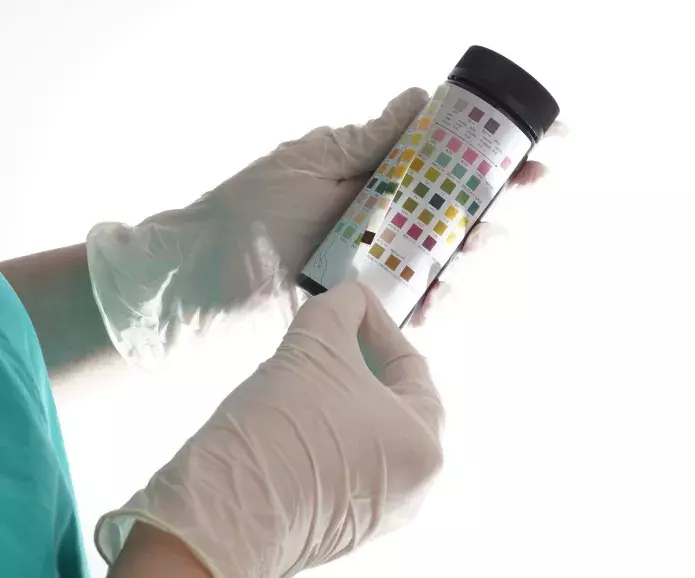
- A urine dipstick is a quick screening test performed in the office or laboratory. A specially treated strip is dipped into your urine to look for protein, blood, glucose (sugar), ketones (acids your body makes when it uses fat instead of glucose for energy), white blood cells, and other substances. It is often used as a first screening test. If the dipstick shows abnormal results, your provider may order additional urine or blood tests.
- 24-hour urine test: a detailed test to look at the total amount of protein in your urine throughout an entire day
- Before the test: your doctor should provide you with specific instructions and materials, including containers to put your urine in. Choose a day you will be home and follow any instructions your doctor gave you.
- During the test: when you first urinate the day of the test, flush the urine and write down the time you urinated. After that, anytime you pee, collect your urine throughout the day in the containers they gave you. These may need to be stored in a refrigerator.
- After the test: your doctor will provide instruction on where to drop off the containers with your urine (usually a lab) where they will test:
- How much urine you make in a day
- The acidity (how much acid is in your urine)
- The amount of certain substances, such as:
- Protein
- Creatinine
- Calcium
- Sodium
- Uric acid
- Oxalate
- Citrate
Collect every drop of urine after the first time you urinate in the morning. Your doctor will follow up with the test results and give you instructions based on the results.
At-home urine test
At-home urine tests are available to detect and track multiple conditions. Some of these tests will have you urinate directly onto the test (like a pregnancy test) while others may have you urinate into a cup and dip a stick into it. These tests can include tests for tracking conditions like diabetes or to look for substances like alcohol or drugs. There are also some at-home urine tests that check for early signs of kidney disease.
At home urine tests that look for early signs of kidney disease typically check for protein in your urine, however they cannot diagnose kidney disease and should never replace tests your doctor does. Certain health programs may provide at home urine tests for high-risk patients who have conditions like diabetes or high blood pressure. If an at-home test is abnormal, contact your provider for follow-up testing.
How do I collect urine for a test?
During a urine test, you will urinate (pee) into a container with a lid that your doctor provides. You may have a urine test at your doctor's office, or your doctor may give you urine sample cups and sterile wipes to collect urine at home.
To make sure the urine sample is not contaminated, use the clean catch method. Also known at the midstream method, this is a way to collect your urine sample without also collecting bacteria that may be on your skin.
If you have a vagina, collect your urine using this method by:
- Wash your hands with soap and water.
- While sitting on the toilet, gently open your labia (the folds of skin around your urinary opening and vagina).
- Using a wipe (often given to you by a doctor or nurse), wipe from front to back around the area where urine comes from and throw away the wipe.
- Start urinating into the toilet.
- After a few seconds, start urinating into the cup given to you and fill it about halfway.
- When it's halfway full, finish urinating into the toilet and wash your hands.
If you have a penis, collect your urine using this method by:
- Wash your hands with soap and water.
- Using a wipe (often given to you by a doctor or nurse), clean the top of your penis, making sure to clean the opening of the urinary tract (where urine comes from).
- If you have foreskin, retract it from the top before cleaning with the wipe.
- Start urinating into the toilet.
- After a few seconds, start urinating into the cup given to you and fill it about halfway.
- When it's halfway full, finish urinating into the toilet and wash your hands.
Your doctor will follow up with the results of your urine test and discuss them with you. Ask questions if you do not understand what the results of your urine test mean for your kidneys.
How often should I have a urine test?
Urine tests should be a regular screening to catch any early signs of kidney damage. The frequency of these tests depends on your kidney disease stage and risk of kidney disease. Regular testing can help your doctor track any changes over time.
Let your doctor know about any medicines, vitamins or supplements you take since these can change the results of urine tests.
Urine tests work best alongside other tests, such as eGFR and serum creatinine, to give a complete picture of your kidney health. While urine tests look for signs of kidney damage, blood tests estimate how well your kidneys are filtering your blood. Early detection through consistent testing gives you and your healthcare professional the opportunity to slow or prevent kidney disease progression.

When your kidneys are damaged, one of the earliest signs can be protein in your urine. A urine test can find kidney disease early, before the damage to your kidneys is severe. By repeating urine tests as time passes, your doctor can see if the damage to your kidneys is getting worse.
Support for this educational content is provided by: