
What's Behind Your Kidney Disease?
Take this quick quiz to get a personalized list of questions to ask your doctor. Understanding the "why" behind your diagnosis can help you take the right next steps.
Sign up for our emails to receive guidance, resources and ways to get involved from the American Kidney Fund to help you manage kidney disease and feel more in control of your health.
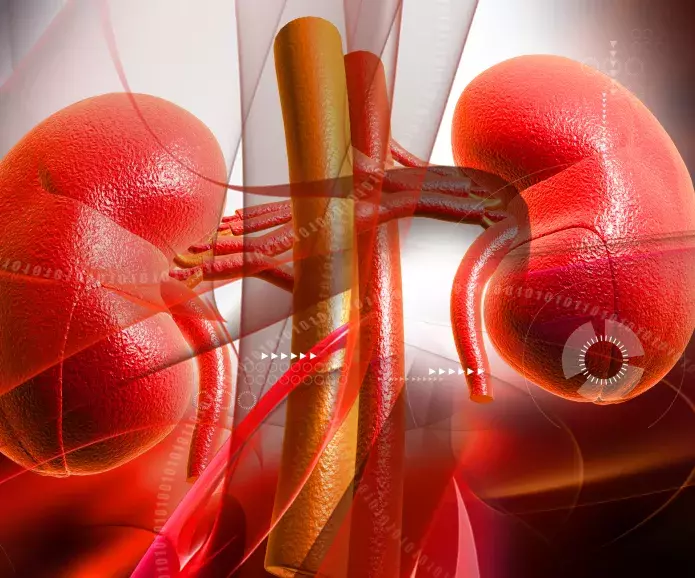
In Stage 3 CKD, your kidneys have mild to moderate damage and are less able to filter waste and fluid out of your blood. Waste buildup or uremia can build up in your body and lead to complications, such as high blood pressure, anemia, and problems with your bones.
Stage 3 CKD is split into two sub-stages based on your eGFR:
Some people with Stage 3 CKD don't have any symptoms. However, stage 3 is usually when kidney disease begins to affect your health, and you'll start to notice symptoms. It's important to remember that even if you don't have symptoms, regular monitoring is important for early detection. If you're considered high-risk for kidney disease — such as having diabetes, high blood pressure, or a family history of kidney disease — your doctor may recommend more frequent testing to help keep track of your kidney health.
Symptoms of Stage 3 CKD may include:
Learn how high blood pressure and kidney health are connected. This resource explains how each can affect the other and offers simple, practical steps to protect your kidneys. Find easy tips on healthy eating, taking medicines as prescribed, staying active, managing weight, and reducing stress.

Your doctor may test the health of your kidneys even without symptoms if you have a family history of kidney disease or a health condition that can damage your kidneys, such as diabetes or high blood pressure.
To find out what stage of CKD you are in, doctors will do tests, such as:
For Stage 3 CKD, annual checkups are important to evaluate how well your kidneys work, reassess your treatment plan, check for signs of complications, and ensure you manage your condition effectively.
Take this quick quiz to get a personalized list of questions to ask your doctor. Understanding the "why" behind your diagnosis can help you take the right next steps.


To find out what caused your CKD, your doctor may do other tests, including:
For Stage 3 CKD, annual checkups are important to evaluate how well your kidneys work, reassess your treatment plan, check for signs of complications, and ensure you manage your condition effectively.
Understanding the cause of your kidney disease is an important step in managing your health. Don't hesitate to ask your doctor about the underlying reasons for your condition.
Ask if additional tests are necessary to determine the root cause or to understand your kidney function better. Be proactive, take charge of your health, and make informed decisions about your care.
Doctors treat Stage 3 CKD with medicines that help with your symptoms and related health conditions, such as diabetes and high blood pressure.
These medicines include:
SGLT2 inhibitors to protect your kidneys and lower blood sugar levels
Nonsteroidal mineralocorticoid receptor antagonists (nMRA) to reduce swelling and help prevent further kidney damage
You may also need to stop taking certain medicines that can worsen the damage to your kidneys, such as pain medicines called NSAIDs (nonsteroidal anti-inflammatory drugs) and some arthritis medicines. Tell your doctor about all the medicines you take–even ones they did not prescribe.
If you do not have a nephrologist (kidney doctor), talk to your regular doctor about finding one. You and your nephrologist can work together to make a treatment plan just for you.
Your nephrologist will also run tests to check your kidney health regularly, usually every three months.

Following a kidney-friendly meal plan is one of the best ways to slow kidney damage and feel your best. A dietitian (nutrition expert) can look at your lab results and help you plan healthy meals and snacks you'll want to eat.
Every day, people with Stage 3 kidney disease come to the American Kidney Fund looking for answers and hope. Your gift helps ensure these resources remain free and provides direct support to patients nationwide. With 96 cents of every dollar going to patients and programs, your generosity truly makes a difference.