


Kidney biopsy

Understand why your doctor might do a kidney biopsy and what you can expect before, during and after.
- Medically reviewed by
- Shahzia Lakhani
- Last updated
- March 4, 2026
A kidney biopsy, also called a renal biopsy, is a procedure to take a small piece of tissue from your kidneys to examine it under a microscope. This helps diagnose kidney problems and determine the best treatment.
While doctors can usually find kidney problems through blood and urine tests or through imaging such as an ultrasound or CT scan, sometimes a kidney biopsy is needed to correctly diagnose and treat kidney problems. If you've had a kidney transplant, a biopsy may be needed if the transplant is not working properly.
Why would I get a kidney biopsy?
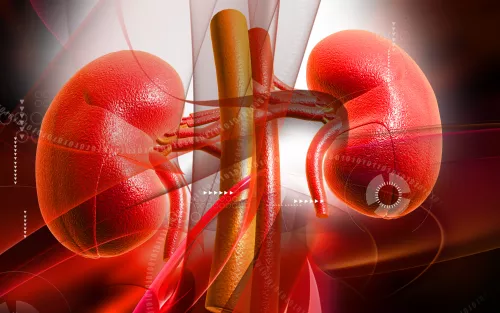
A kidney biopsy can help your doctor figure out what is causing your kidney problem, how serious it is and what treatment may work best. Sometimes urine or blood tests show signs like blood in the urine (hematuria) and protein in the urine (proteinuria), but they cannot tell the exact cause. A kidney biopsy can give a much clearer answer.
A biopsy can diagnose many kidney conditions, including focal segmental glomerulosclerosis (FSGS), IgA nephropathy, lupus nephritis and vasculitis.
Your doctor may recommend a kidney biopsy if you have:
- Blood in your urine (hematuria)
- Protein in your urine (proteinuria)
- Waste products in your blood (shows your kidneys are not working as well as they should)
- Kidney disease with an unknown cause
- Nephrotic syndrome (a group of symptoms that can show your kidneys are not working as well as they should)
Your doctor may also suggest a kidney biopsy to find out if:
- The treatment for your kidney problem is working
- There is damage to your kidneys that cannot be reversed
- A transplanted kidney is not working well
- You have a kidney tumor
- You have a glomerular or inflammatory kidney disease
- If your kidney problem is caused by a rare kidney disease (such as lupus nephritis, cystinosis, or complement 3 glomerulopathy (C3G))
If you have any questions about why you need a kidney biopsy or how it could help diagnose or treat your kidney problem, talk to your doctor.
What can I expect during a kidney biopsy?
A kidney biopsy takes around 30 minutes and is usually done in a hospital or an outpatient procedure clinic, and most people go home the same day.
Needle biopsy
The most common type of kidney biopsy is a needle biopsy. Your care team will put in an intravenous catheter (IV) before the procedure to give you medicines. During the biopsy, you will be on your stomach or side to access the kidney safely. If you have a transplanted kidney, you may be positioned on your back instead. The doctor will mark your skin, clean and prepare the area and use numbing medicine. Then they will use an ultrasound or CT scan to guide a spring-loaded needle into your kidney to take a tissue sample. You may feel pressure, but it should not be sharp or painful. They will remove the needle and place a bandage on the site.
After the biopsy, you may need to rest in the recovery area for a few hours so your care team can check for any bleeding.
If you have questions or feel unsure about any part of the procedure, talk to your doctor and care team.
Open biopsy
Another type of biopsy is an open biopsy. An open biopsy involves a doctor or surgeon making a few very small cuts in your abdomen, placing a camera and tools near your kidney. This allows them to see your kidney directly while taking the sample. This procedure requires general anesthesia, a combination of medicines to put you to sleep so you will not feel anything during the procedure.
An open biopsy may not be for everyone. Your doctor will choose the safest biopsy option for you based on your health and medical history.
What are the risks of a kidney biopsy?
A kidney biopsy is generally considered safe. As with any procedure, there are some risks, but serious problems are unlikely. These risks include:
- Bruising at the biopsy site
- Minor bleeding at the biopsy site or in urine which usually stop after a few days
- Pain or soreness at the biopsy site which can last a few hours
Serious but rare problems include heavy bleeding, infection at the biopsy site and damage to nearby organs.
There may be other risks depending on your overall health. Be sure to ask your doctor if you have any questions about risks before the procedure.
How can I prepare for a kidney biopsy?
If your doctor recommends a kidney biopsy, they will schedule an appointment and talk with you about the procedure. They may have you stop certain medicines that may cause or increase bleeding during or after the biopsy. They may also tell you not to eat or drink for about eight hours before the procedure. You will need to arrange for transportation or for someone to drive you home, since you may feel tired afterward and should not drive yourself.
To help you feel prepared, it's important to ask questions if anything is unclear, write down notes and share any concerns you have. Let your care team know about all the medicines and supplements you take.
What can I expect after a kidney biopsy and recovery?

After your biopsy, you may feel some soreness at the biopsy site. Most people can go home a few hours after the biopsy, but some may stay in the hospital overnight so the care team can watch for any signs of bleeding or other problems.
Your doctor will tell you how and when you can return to your usual activities and if you need to avoid heavy lifting or exercise for a short time. Ask questions if anything is unclear and write down what you need for recovery.
Call your doctor right away if you notice:
- Heavy bleeding into the urine or blood clots in your urine
- Fever (over 100.4°F or 38°C) or chills
- Increasing pain, redness, or swelling at the biopsy site
- Trouble urinating
- Dizziness, weakness, or fainting
Understanding your biopsy results
After the biopsy, your kidney tissue sample is sent to a pathologist– a doctor who is trained to look at samples and help doctors diagnose health problems. They will study your kidney tissue under a microscope to learn about your kidney problem and what is causing it. They may be able to see unusual tissue cells, scarring or disease. They can also see how much damage, if any, is present. It's important that your sample is reviewed by a renal pathologist so they can help provide an accurate diagnosis and cause of your kidney problem to help with the best treatment plan.
It usually takes about a week to get the full results from your doctor. When your results are ready, your doctor will explain what they mean and answer any questions you may have about your plan or treatment. Always ask for a copy of your full biopsy report for your records.
If anything is unclear, ask them to explain it again in a way you understand. If you have questions, you can also ask your doctor to contact the pathologist who is listed in your report. You may be able to contact them directly through your care team. If parts of the biopsy results are not clear or straightforward, you can ask about getting a second opinion, where another pathologist reviews the biopsy. Understanding your biopsy results can help you feel more confident about your next steps and treatment plans.
Kidney biopsy and clinical trials
Clinical trials study the safety of treatment (such as a new medicine, medical procedure, or device) and help researchers find better ways to prevent, diagnose and treat kidney disease. In some cases, kidney biopsy results may help determine whether you are eligible for a clinical trial. Your doctor can help you understand the potential benefits, risks, and next steps to participating in a clinical trial. Learn more about clinical trials
Support for this educational content is provided by: