


Artículo
Los tipos de trasplante de donante renal en vida
Conozca los tres tipos de trasplante renal de donante vivo, quiénes pueden donar en vida y cómo funciona la donación en vida.
- Revisión médica de
- AKF's Medical Advisory Committee
- Última actualización
- October 10, 2025
Quienes necesitan un trasplante renal deben plantearse la posibilidad de hacerlo con un donante vivo. Los trasplantes renales de donantes vivos duran más que los de donantes fallecidos. Además, ¡de este modo el trasplante se puede hacer en cuanto el receptor y el donante vivo estén listos!
Help Save Lives
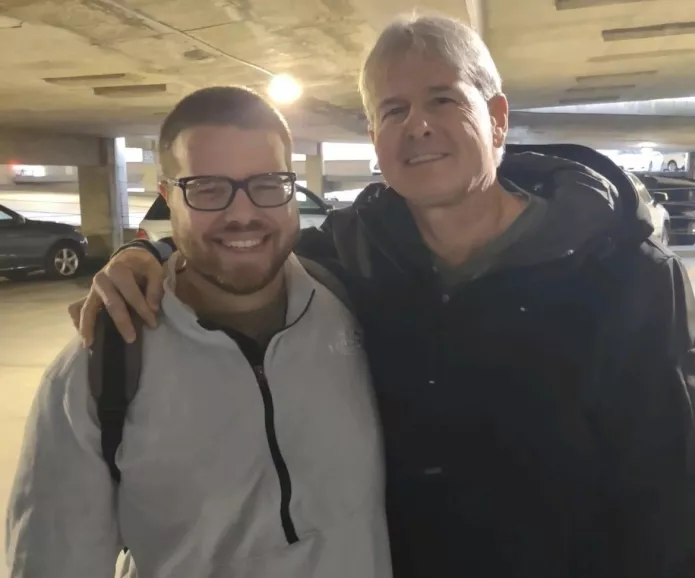
Chris became a living donor for his friend Paul—giving him the gift of life through a kidney transplant. Their story is a powerful reminder of what’s possible when compassion meets courage. Donate any amount today to help more families find a lifeline through organ and tissue donation.
How does a living donor transplant work?
A living donor transplant is a process that includes you, your family, friends and a transplant team.
Contact a transplant center
If you are interested in getting a living donor transplant, contact a transplant center in your area to schedule an evaluation. The evaluation will include a physical exam and tests to help the transplant team:
- See if a transplant is a good option for you
- Find out your kidney matching type to see which donors may be a good match for you
Learn more about the transplant evaluation process and finding a match.
Look for a donor
To find a donor who is willing and able to donate a kidney to you:
- Tell your family, friends and others in your community that you need a kidney.
- If someone does not offer to donate, take the first step and ask a family member, friend or others such as people at your church or synagogue.
- If you cannot find a donor you know, ask your transplant team if they can help you find a donor who you do not know, or if you can take part in a paired kidney exchange.
It can be hard to talk about organ donation. The United Network for Organ Sharing has some useful tips on how to have these conversations.
If you find a living donor, you can have your transplant as soon as you and your donor are ready.
- Being ready for a transplant sometimes depends on things that are out of your control, such as other health problems that you or your donor may have.
- Ask your transplant team if there are things you can do to get ready for a transplant.
If you do not find a living donor, you may have to wait longer for a transplant. The average wait time for a transplant from a deceased donor is three to five years. Keep looking for a living donor while you wait for a deceased donor kidney and use whichever type of kidney is available first.
Make More Transplants Possible
Living kidney donors save lives — but the need remains urgent. Right now, more than 90,000 Americans are on the waiting list. With your support, AKF not only helps patients find a match but also provides assistance for costs before and after surgery.
Together, we make 133 lifesaving kidney transplants possible every month. Donate any amount now to help bring more patients closer to transplant.