


Artículo
La enfermedad de células falciformes y la enfermedad renal

La enfermedad de células falciformes puede afectar sus riñones. Infórmese sobre los riesgos y las medidas que puede tomar para mantenerse saludable mediante pruebas y tratamiento tempranos.
- Revisión médica de
- Shahzia Lakhani
- Última actualización
- August 21, 2026
¿Qué es la anemia de células falciformes?
La enfermedad de células falciformes (sickle cell disease o SCD, en inglés) es un grupo de trastornos genéticos que afectan los glóbulos rojos. El tipo más común y grave es la anemia de células falciformes (sickle cell anemia, en inglés).
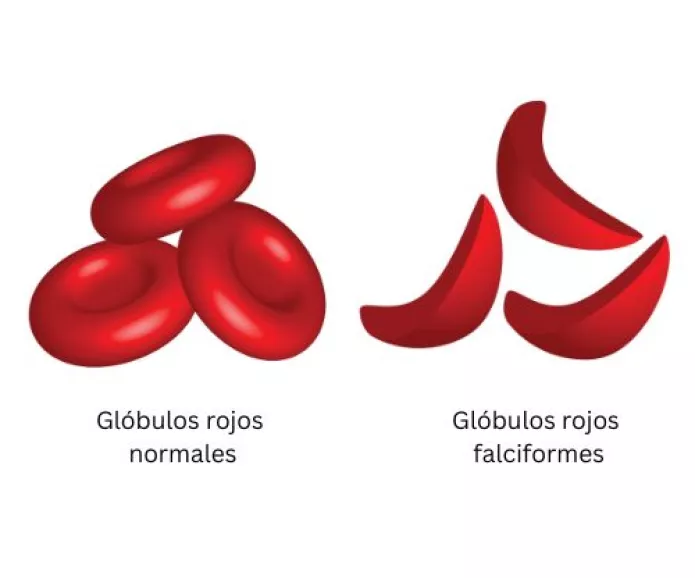
La anemia de células falciformes es un trastorno genético de la sangre que afecta la hemoglobina, la proteína de los glóbulos rojos que transporta el oxígeno por todo el cuerpo. Normalmente, estos glóbulos son redondos y flexibles; sin embargo, en esta condición se vuelven rígidos y pegajosos, se deforman y adoptan forma de media luna o hoz (un proceso conocido como falciformación). Esto dificulta el flujo sanguíneo y reduce la cantidad de oxígeno que llega a los órganos.
Muchas personas con enfermedad de células falciformes tienen anemia crónica y pueden necesitar transfusiones de sangre para reemplazar los glóbulos rojos dañados por glóbulos rojos sanos. El dolor es el síntoma más común. Puede sentirse como un dolor agudo, punzante o profundo en los huesos, músculos o articulaciones.
¿Cómo afecta la anemia de células falciformes a los riñones?
La enfermedad renal relacionada con la anemia de células falciformes ocurre cuando la enfermedad comienza a dañar los riñones. Si los riñones no reciben suficiente oxígeno, el tejido renal puede lesionarse. Cuando esto sucede, los riñones no pueden filtrar bien los desechos ni el exceso de líquido de la sangre. Con el tiempo, esto puede provocar enfermedad renal crónica (ERC) o insuficiencia renal (fallo renal). Las personas con esta enfermedad también tienen mayor riesgo de presentar hematuria (sangre en la orina) o proteinuria (proteínas en la orina). Ambas son señales de que los riñones están bajo estrés o dañados.
Entre el 20 y el 25 % de las personas con la enfermedad de células falciformes desarrollan ERC.

Qué lo causa: La enfermedad de células falciformes vs. rasgo de células falciformes
Una persona tiene la enfermedad de células falciformes (SCD, por su abreviación en inglés) cuando hereda un gen alterado de cada padre. Es una condición genética recesiva.
Una persona tiene el rasgo de células falciformes (sickle cell trait o SCT, en inglés) cuando hereda un gen alterado de un padre y un gen normal del otro. Estas personas son portadoras y, por lo general, no presentan síntomas. Sin embargo, tienen mayor riesgo de desarrollar ERC.
El rasgo de células falciformes y el cáncer renal
Investigaciones recientes muestran que el rasgo de células falciformes no es tan inofensivo como se pensaba anteriormente. Las personas con el rasgo tienen mayor riesgo de desarrollar ERC y también un tipo poco común de cáncer llamado carcinoma medular renal (CMR). El CMR afecta principalmente a adolescentes y adultos jóvenes, y casi siempre ocurre en personas con el rasgo.
Los síntomas del CMR pueden incluir:
- Sangre en la orina (a menudo el primer síntoma)
- Masa o bulto en la parte baja de la espalda, debajo de las costillas
- Dolor en el área del riñón afectado (con frecuencia el derecho)
- Fiebre
- Sudores nocturnos
- Pérdida de peso sin causa aparente
¿Quiénes corren riesgo de tener anemia de células falciformes?
La anemia de células falciformes es más común en ciertos grupos étnicos, entre ellos:
- Personas con ascendencia africana o afroamericana
- Personas con ascendencia del Caribe, Centroamérica o Suramérica
- Personas con ascendencia del Medio Oriente, la región mediterránea o Asia del Sur
Cualquier persona puede ser portadora del gen, pero es más común en estas comunidades. Un simple análisis de sangre puede determinar si alguien es portador o si tiene la enfermedad.
- 1 de cada 12 personas afroamericanas es portadora del gen.
- 9 de cada 10 personas con la enfermedad son afroamericanas.
¿Cuáles son los síntomas de la enfermedad renal asociada a la anemia falciforme?
Al principio, los síntomas pueden ser difíciles de detectar. Con el tiempo, los síntomas pueden volverse más evidentes a medida que progresa el daño renal.
Los síntomas pueden incluir:
- Dolor: Puede sentir dolor en el costado, la espalda o en el área donde se encuentran los riñones.
- Necesidad de orinar con frecuencia
- Hematuria: A veces la orina puede verse roja o marrón, o de color de té.
- Presión arterial alta: Las personas con la enfermedad de células falciformes a menudo tienen una presión arterial más baja que el promedio. Por lo tanto, la presión arterial alta puede ser una señal de advertencia del daño renal por la anemia falciforme.
- Proteinuria: Las proteínas en la orina son una señal común de daño renal.
El daño renal también puede presentarse junto con otros síntomas de la enfermedad de células falciformes, como:
- Crisis de dolor: episodios que duran días a semanas
- Mayor riesgo de infecciones
- Anemia
- Mayor riesgo de accidente cerebrovascular
¿Cómo se trata la enfermedad renal asociada a la anemia falciforme?
Los síntomas de la anemia de células falciformes pueden comenzar a cualquier edad. En general, los bebés empiezan a mostrar señales a los 5 o 6 meses. Muchas personas no notan el daño renal en etapas tempranas, por lo que las pruebas regulares son importantes, incluso si no hay síntomas. Las pruebas de sangre y orina son las herramientas principales que se usan para comprobar el funcionamiento de los riñones.
- La tasa de filtración glomerular (eGFR, por su abreviación en inglés) para medir la capacidad de los riñones para filtrar los desechos.
- El cociente (o relación) de albúmina-creatinina en la orina (uACR, por su abreviación en inglés) paradetectar proteínas en la orina.
- La creatinina sérica para medir la acumulación de desechos en la sangre.
- Pruebas de electrolitos para controlar minerales importantes en su sangre, como sodio, potasio, calcio y magnesio. Estos niveles pueden volverse demasiado altos o bajos cuando los riñones no funcionan bien.
- Análisis de orina para detectar sangre u otras señales de lesión renal en la orina.
Su médico también puede utilizar estudios por imágenes o una ecografía renal para examinar el tamaño y la estructura de los riñones. En algunos casos, se necesita una biopsia renal para comprender el tipo exacto de daño renal.
¿Cómo se trata la enfermedad renal asociada a la anemia falciforme?
El tratamiento de la enfermedad renal causada por la anemia de células falciformes consiste en proteger los riñones de más daño y controlar las complicaciónes. El tratamiento suele incluir medicamentos y cambios en el estilo de vida.
Tratamientos para la enfermedad de células falciformes y apoyo a la salud renal
Ciertos medicamentos utilizados para tratar la anemia de células falciformes también ayudan a proteger los riñones:
- Hidroxiurea (p. ej., Droxia®, Siklos®, Hydrea®): Este medicamento ayuda al cuerpo a producir un tipo diferente de hemoglobina que reduce la formación de glóbulos rojos con forma de media luna o hoz (falciformación).
- Inhibidores de la enzima conversora de la angiotensina (ECA): Ayudan a controlar la presión arterial y proteger la función renal. Cuando se toman estos medicamentos, se debe controlar la presión arterial con frecuencia, incluso en casa.
- Transfusión de sangre: Las transfusiones de sangre proveen al cuerpo glóbulos rojos sanos. Para los pacientes con alto riesgo de daño renal, se pueden realizar las transfusiones regulares para reducir la falciformación de los glóbulos rojos y así mismo mejorar el flujo de oxígeno a los riñones.
- Su médico también puede recetarle medicamentos y terapias para aliviar el dolor en los huesos y articulaciones que suele suceder con la anemia de células falciformes.
Los Programas de ayuda para el pago de medicamentos de venta con receta
Si tiene dificultades para pagar sus medicamentos con receta o tratamientos, es posible que haya ayuda disponible. Obtenga más información sobre la asistencia financiera que ofrecen los Programas de ayuda para el pago de medicamentos de venta con receta (PAPs, por sus siglas en inglés) y otros recursos que pueden ayudarle a reducir sus costos.
Otras recomendaciones:
Mantenerse bien hidratado: Mantenerse hidratado durante todo el día ayuda a que la sangre fluya más fácilmente y a prevenir la falciformación de los glóbulos rojos. Cuando usted no bebe suficiente agua o líquidos, su sangre se vuelve más espesa, lo que hace que las células deformes bloqueen el flujo sanguíneo.
La nutrición: Un dietista le puede ayudar a elaborar un plan de nutrición que apoye las necesidades más elevadas de calorías y proteínas que suelen tener las personas con enfermedad de células falciformes, al mismo tiempo que protege la salud de los riñones.
Durante una enfermedad o en climas cálidos: Es importante que tenga mayor cuidado y se asegure de beber más líquidos cuando esté enfermo/a, en climas cálidos o durante el ejercicio intenso. La deshidratación puede hacer que la sangre se vuelva más espesa, lo que aumenta el riesgo de falciformación de los glóbulos rojos y de bloqueos en los vasos sanguíneos de los riñones.
Controlar la anemia: Ciertas vitaminas como el ácido fólico ayudan a que el cuerpo produzca glóbulos rojos sanos. En las personas con niveles bajos de glóbulos rojos, estos tratamientos pueden reducir el riesgo de falciformación de los glóbulos rojos.
Cómo vivir bien con la anemia de células falciformes y la enfermedad renal
Mantenerse involucrado en su salud y trabajar en estrecha colaboración con su equipo de atención médica puede marcar una gran diferencia en su cuidado y ayudar a ralentizar el daño renal y prevenir las complicaciones.
Manténgase al día con sus pruebas de laboratorio y las citas médicas
Los estudios y las citas regulares ayudan a que su equipo de atención se mantenga informado y a reconocer rápidamente cualquier cambio en su estado de salud.
Trabaje con los especialistas adecuados
- Consulte con un nefrólogo (médico especialista en los riñones) que tenga experiencia en el tratamiento de personas con la enfermedad de células falciformes.
- Manténgase en contacto con su hematólogo (médico especialista en trastornos sanguíneos), quien maneja su atención para la enfermedad de células falciformes.
Prevenga las infecciones y controle el dolor
- Manténgase al día con sus vacunas
- Reconozca las señales iniciales de infección, como fiebre, ardor al orinar o fatiga repentina.
- Trabaje con su equipo de atención médica para crear un plan seguro que le ayude a controlar el dolor y proteger sus riñones.
Cree rutinas saludables
- Hidratación: Beba agua durante el día para ayudar el flujo sanguíneo y proteger los riñones.
- Nutrición: Siga un plan de alimentación personalizado que apoye la función renal y su bienestar general.
- Actividad: Trate de hacer ejercicio regularmente que se sienta cómodo y seguro para su cuerpo.
- Evite los factores provocantes: El frío o el calor extremo, la deshidratación, el estrés y las enfermedades pueden empeorar los síntomas.
Sin cuidados regulares, los problemas renales relacionados con la anemia falciforme pueden progresar hasta convertirse en insuficiencia renal (fallo renal). Si esto ocurre, las opciones de tratamiento incluyen diálisis o trasplante. Muchas personas con anemia falciforme obtienen buenos resultados con un trasplante de riñón cuando el tratamiento es cuidadosamente coordinado por su equipo médico. Tomar estas medidas puede ayudarle a proteger sus riñones, reducir las complicaciones y llevar una vida más saludable y activa con la anemia de células falciformes.